OffshoreHookup
Blue marlin clearing the water in a full greyhound jump, deep blue ocean behind it

Charleston, SCOffshore Fishing

A long run to the ledge. A billfish slam waiting at the end.

The run

about 60-65 miles
Georgetown Hole (Gulf Stream ledge)

Structure about four miles across where depths swing from 150 to 600 feet in a few hundred yards. Boats troll the ledge between here and the 226 Hole.

Source ↗
about 100 miles
Charleston Bump

A deep rise on the Blake Plateau, about 2,300 feet at its base and topping out near 1,200 feet.

Source ↗

Bite calendar

Month-by-month targets out of Charleston. Water temperature and bait move these windows every year: treat it as the starting chart, not a guarantee.

Charleston offshore bite calendar by month
SpeciesJanFebMarAprMayJunJulAugSepOctNovDec
Blue MarlinPeak May–JunOffOffOffOffPeakPeakFishableFishableFishableFishableOffOff
MahiPeak Apr–JunOffOffOffPeakPeakPeakFishableFishableFishableFishableOffOff
SailfishPeak Jul–SepOffOffOffOffFishableFishablePeakPeakPeakFishableOffOff
WahooPeak Jan–FebPeakPeakFishableFishableFishableFishableFishableFishableOffFishableFishableFishable
Blackfin TunaPeak Jun–AugOffOffOffOffOffPeakPeakPeakFishableFishableOffOff
RedfishPeak Aug–OctFishableFishableFishableFishableFishableFishableFishablePeakPeakPeakFishableFishable

Charleston makes you earn it. The Gulf Stream is a long ride from the jetties, usually 60 miles or more. What waits at the end is one of the most complete billfish fisheries on the East Coast: blues, whites and sailfish on the same ledge, with mahi, wahoo and blackfin filling the box between bites.

The Run

Point the bow offshore and settle in. The Georgetown Hole sits about 60 to 65 miles out, close to a three-hour run. It is about four miles across, and depths swing from 150 to 600 feet in the space of a few hundred yards. That kind of relief pushes bait up and holds pelagics on the edge.

Crews troll the Gulf Stream ledge between the Georgetown Hole and the 226 Hole, and work spots like the Southwest Banks, Winyah Scarp and Bubble Rock. You know you are there when bright green water flips to azure blue.

Push farther and you hit the Charleston Bump, about 100 miles off. It rises from roughly 2,300 feet at its base to about 1,200 feet at its northern edge.

What Bites, When

April brings spring dolphin to the ledge.

May and June are the blue marlin peak, and when the blues are biting, dolphin are everywhere. Blues stay possible into late summer and fall.

Summer brings hordes of blackfin tuna to the ledge, and dolphin keep coming as the spring peak tapers off. White marlin and sailfish get more common as the season rolls on.

Fall keeps blackfin, dolphin and wahoo biting, with sailfish mixed in.

January and February are wahoo months. February is regarded as prime time along the Carolina coast, out on the Gulf Stream edges east of South Carolina.

Inshore, redfish are a year-round target. They hit the tailing flats from April into November, best in late summer and fall, and school up in clear water all winter.

SCDNR says wahoo are abundant off the Carolinas in spring and summer, so those months carry shoulder weight on top of the winter peak. SCDNR also notes sailfish peak in summer, best in July and August, and that red drum spawn in late summer and fall, which lines up with the redfish peak above. The peaks above come from the local fishing sources listed below.

How to Fish It

Billfish are the headline. Run an organized spread along the ledge and the temperature breaks, and drill the hookup sequence. Our blue marlin trolling spread guide covers lure positions and teasers.

Winter wahoo want speed and wire. High-speed trolling covers miles of edge and connects with fish that ignore a slow spread. Read high-speed wahoo trolling spreads before you rig.

Blown out offshore? The marsh is right there. Sight-casting tailing redfish on a flood tide is as visual as saltwater fishing gets.

Pack for This Port

For winter Stream trips, the wahoo wire-ready kit is mandatory. Check our wire leader roundup and offshore trolling reels roundup. On a charter, bring the charter day kit. For the marsh, good polarized glasses and quality braid do most of the work.

A 60-mile run puts you far from help. Read the offshore PFD and safety gear roundup before you go.

Before You Go

Check SCDNR fishing regulations for state saltwater rules. Atlantic tunas, billfish, swordfish and sharks fall under federal Highly Migratory Species rules, including a vessel permit, managed by NOAA Fisheries. This is not legal advice.

A 120-mile round trip plus trolling is serious fuel. Carry a hard reserve, file a float plan, and turn back when the forecast does. The fish don’t negotiate.
Kits built for this run


Gear for Charleston

Heads up: OffshoreHookup.com is an Amazon Associate. Every product link on this page routes through /go/ to Amazon, tagged with our affiliate ID. If you buy through it, we earn a commission at no extra cost to you. Recommendations aren't for sale.Read the full disclosure →

Tiagra 50A Two-Speed Lever Drag
Shimano$790+

Tiagra 50A Two-Speed Lever Drag

4.6(51)on Amazon

Smoother drag curve than most reels twice the price. The standard choice for kite-fishing sailfish and mahi where drag consistency matters more than raw power.

HOLDS UP
  • Exceptionally smooth drag
  • Lighter than comparable Penn reels
  • Proven offshore track record
WATCH FOR
  • Line capacity trails top-end Penn models on the biggest sizes
Surflon Micro Supreme 7x7 Wire Leader, 5m / 40lb Camo
AFW$18

Surflon Micro Supreme 7x7 Wire Leader, 5m / 40lb Camo

4.7(112)on Amazon

Nylon-coated 7x7 wire that stays flexible enough to tie normal knots instead of crimping every rig. The everyday toothy-fish leader for mackerel, small wahoo, and bluefish that would shred fluoro on the strike.

HOLDS UP
  • Flexible enough for standard knots, no crimping tools required
  • Nylon coating resists kinking
  • Camo finish, low visibility
WATCH FOR
  • Not rated for the biggest wahoo and kingfish; step up to single-strand for those
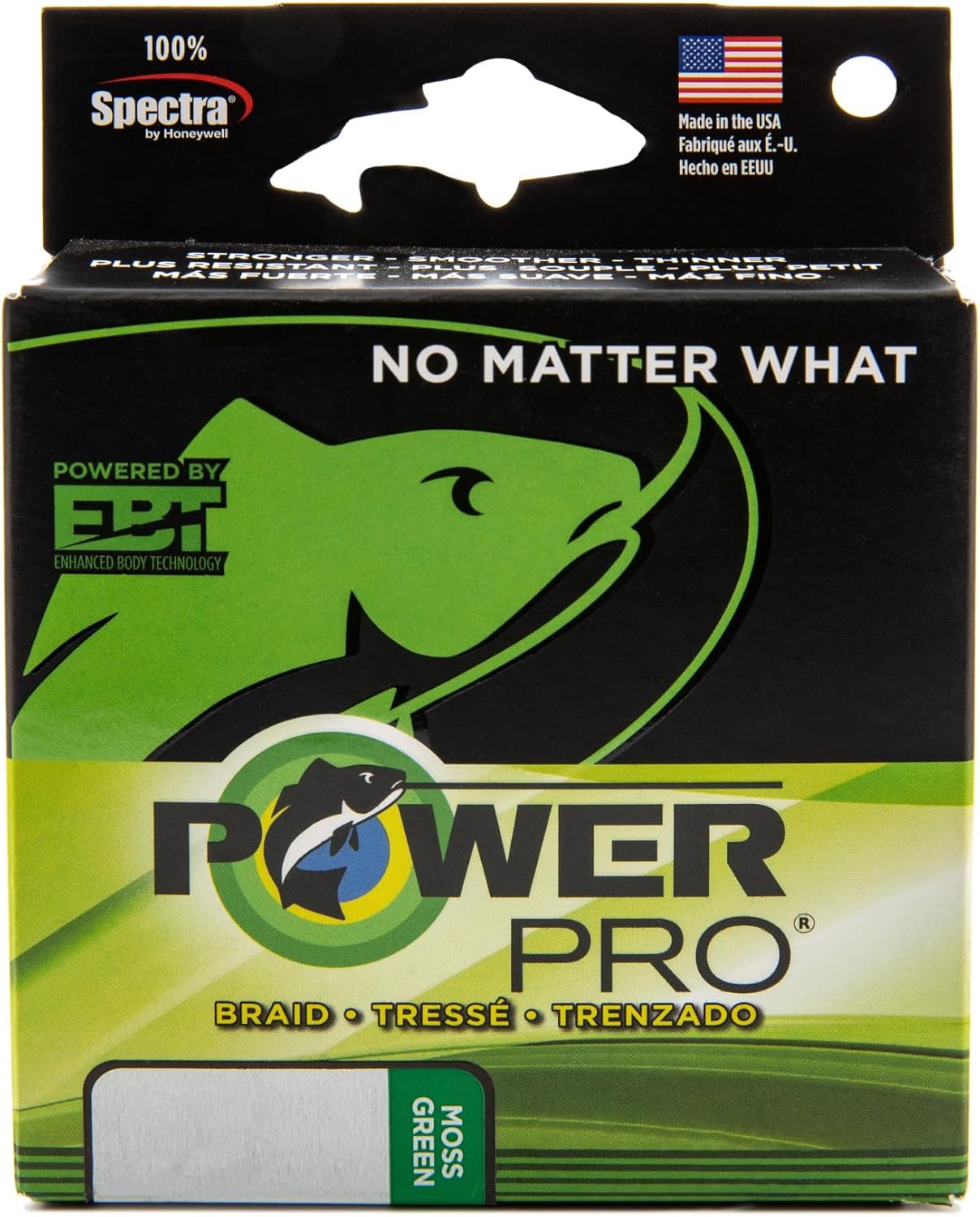
Power Pro Spectra Braid, 80lb/500yd
Power Pro$63

Power Pro Spectra Braid, 80lb/500yd

4.7(5,838)on Amazon

Zero-stretch braid that lets a chunking angler feel the take from 200 feet down. Round, smooth, and it lays on the spool without digging in under drag.

HOLDS UP
  • Thin diameter for line capacity
  • No stretch, feel every hit
  • Round profile, low wind-knot rate
WATCH FOR
  • Needs a mono or fluoro top-shot for stretch and abrasion
Seaguar Blue Label Fluorocarbon Leader, 100lb
Seaguar$90

Seaguar Blue Label Fluorocarbon Leader, 100lb

4.5(229)on Amazon

Near-invisible leader for wary tuna and wahoo. Toothy-fish shock-tippet grade in the higher pound tests.

HOLDS UP
  • High abrasion resistance
  • Low visibility underwater
  • Consistent diameter spool to spool
WATCH FOR
  • Pricier than mono leader per yard
Fantail Polarized 580G Sunglasses
Costa Del Mar$296

Fantail Polarized 580G Sunglasses

4.6(564)on Amazon

Spot a color change or a tailing fish before the guide calls it out. Glass 580G lenses cut glare hard enough to see structure through the surface, not just squint less.

HOLDS UP
  • True glass 580G lens clarity
  • Cuts glare enough to sight-fish through the surface
  • Built to survive salt spray and a boat deck
WATCH FOR
  • Premium price for a pair of sunglasses

Charleston offshore FAQ

How far offshore is the Gulf Stream from Charleston?

Usually 60 miles or more. The Georgetown Hole, a key starting point on the ledge, sits about 60 to 65 miles out, roughly a three-hour ride.

When is blue marlin season in Charleston?

May and June are best, with dolphin everywhere during the same window. Blues stay possible into late summer and fall.

What can you catch offshore from Charleston?

Blue marlin, white marlin, sailfish, mahi, wahoo and blackfin tuna on the ledge, with grouper and snapper on the bottom.

When is the best time for tailing redfish near Charleston?

Late summer through fall. Reds start hitting the tailing flats as early as April and stay on them into November.


Sources

Last checked 2026-11-03.


More Carolinas ports