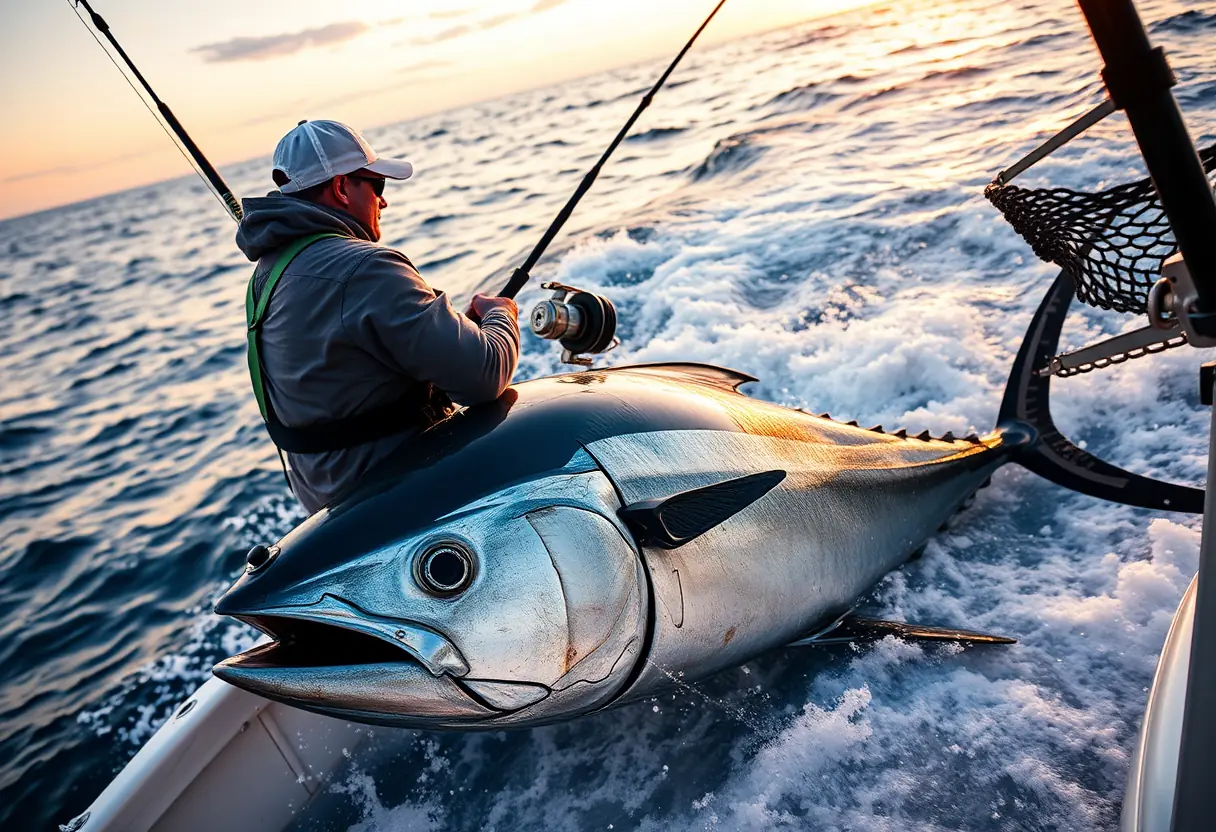
Cape Hatteras sticks out into the Atlantic like a fist. The Gulf Stream runs past it about 25 miles off, closer than it touches any other land north of Florida. Cold Labrador water collides with the tropics right here, and the result is a fishery with no small version.
The Run
Clear Hatteras Inlet and point the bow at blue water. The Gulf Stream edge sits about 25 miles out. That is a short ride by East Coast standards, and it means more lines in the water and less time burning fuel.
What makes this place different is the collision. The Labrador Current pushes south down the coast and hits the Gulf Stream off the cape. Northern and southern species overlap. Temperature breaks stack bait. Billfish, tuna, mahi and wahoo all work the same edges.
The inlet itself demands respect. Hatteras Inlet is wide but shallow, and the channel shifts and shoals often. Know the current markers before you run it.
What Bites, When
Late winter is bluefin time on the Outer Banks. The bite builds from December through February, with March as a tail.
Late March and April bring the first yellowfin, blackfin and bigeye tuna. Mahi build from mid-April.
May and June are the months local crews call the best offshore window of the year. Mahi dominate the box, gaffer dolphin show up, and billfish take center stage.
June through August is peak blue marlin season, with blues still in play into the fall.
Mid-August to mid-September is the white marlin peak.
Late summer into fall delivers the wahoo bite.
The NC Division of Marine Fisheries wahoo profile says wahoo run north through the Gulf Stream in summer, so early summer carries shoulder weight for wahoo. The peak months above come from the local fishing sources listed below.
How to Fish It
This is a trolling port. Run a clean, organized spread along the Stream edge and the temperature breaks, and practice the hookup sequence before the bite, not during it. Our blue marlin trolling spread guide covers lure positions, speeds and teasers.
When spring yellowfin stack up under the boat and stop chasing lures, shut it down and chunk them to the transom. In late summer, pick up speed and drag wire for wahoo. The high-speed wahoo spread guide shows how to run it without tangling the whole program.
Pack for This Port
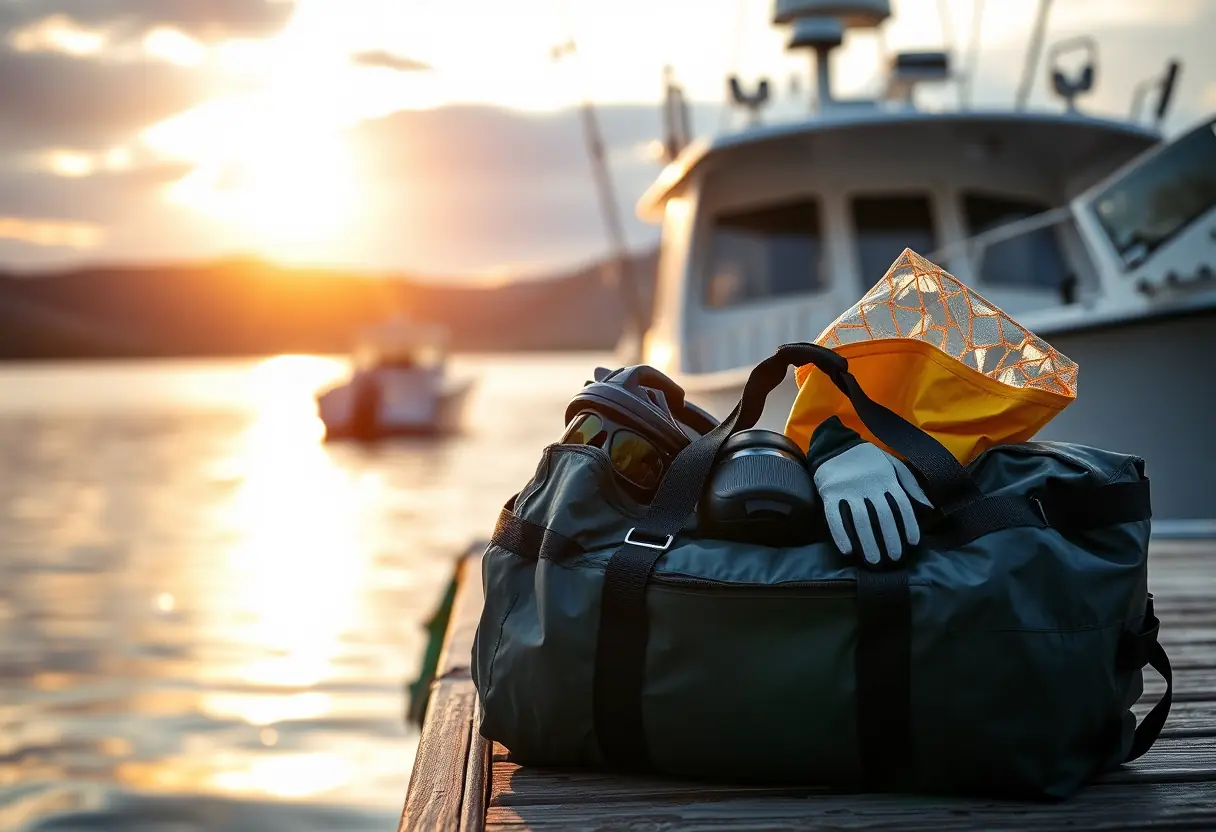
Start with the blue-water trolling starter kit. Booking a charter? The charter day kit covers what the boat won’t: sun protection, polarized glasses, seasickness defense, a dry bag.
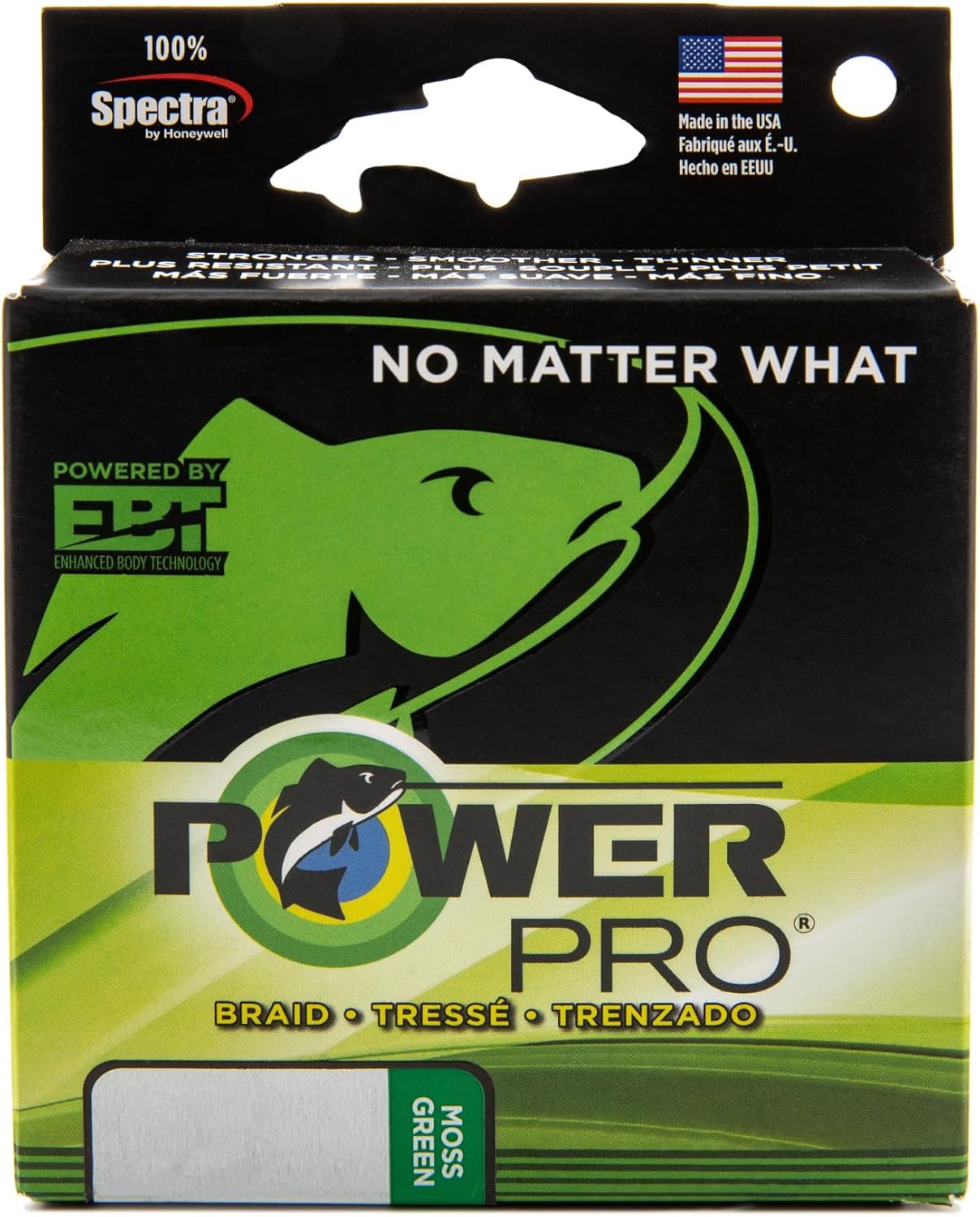
Running your own boat? Heavy lever-drag reels, standup rods and a fighting harness are not optional when a big blue lights up the spread. Compare reels in our offshore trolling reels roundup and spool up with quality braid. Bring a real gaff setup from the gaffs and boatside tools roundup.
Before You Go
Check the NC Division of Marine Fisheries for state rules. Atlantic tunas, billfish, swordfish and sharks fall under federal Highly Migratory Species rules, including a vessel permit. Bluefin has its own in-season status, so check NOAA’s bluefin page before every winter trip. This is not legal advice.
The water off the cape is famous for a reason, and not all of it is fishing. Watch the forecast, respect the inlet, carry a fuel reserve and file a float plan. The fish don’t negotiate. Neither does Diamond Shoals.