Oregon Inlet is two ports in one. Summer is a billfish-and-tuna circus in the Gulf Stream. Winter is giant bluefin season, when the fish that make grown crews shake show up off the Outer Banks. Pick your season. Both hit hard.
The Run
Clear the inlet and run about 35 miles east to the Gulf Stream. That is the line where green coastal water flips to cobalt and the tuna start showing on the sounder. On full-day trips, boats push past that mark when the water sets up farther out.
The inlet itself is no joke. It connects Pamlico Sound to the open Atlantic and the conditions in it change fast. Time it with the tide and the wind, not your alarm clock.
What Bites, When
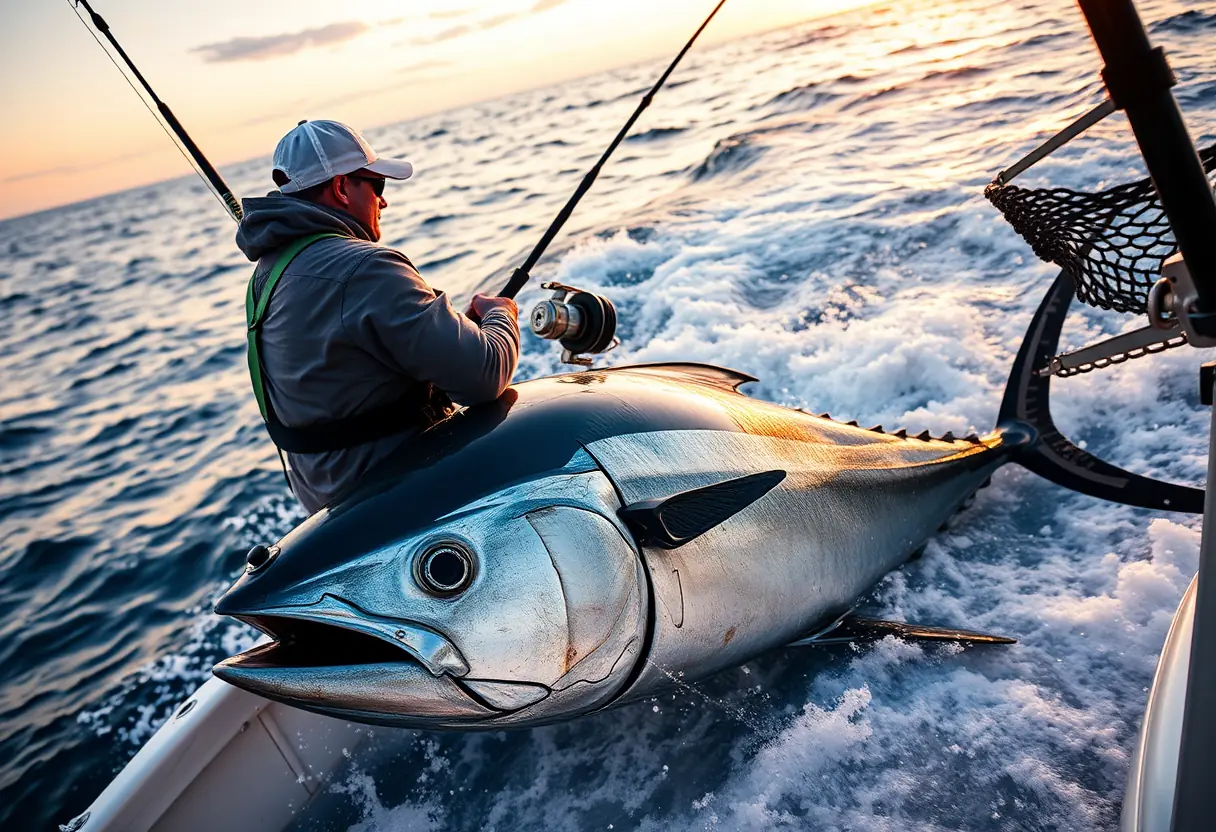
November through March is bluefin time. The fish arrive around November and are gone by March, and the Outer Banks bite cranks hardest from December through February.
Spring brings yellowfin numbers back up, and May is one of the two hottest yellowfin months. Mahi season opens the same month and runs through September.
Summer is billfish time. Blue marlin start in early summer and stay into the fall, with June through August the core window.
Mid-August to mid-September is the white marlin peak.
Late summer into fall belongs to wahoo, and October is the second yellowfin peak of the year.
Blackfin and bigeye tuna are in play from March through November.
The NC Division of Marine Fisheries wahoo profile says wahoo run north through the Gulf Stream in summer, so early summer carries shoulder weight for wahoo. The peak months above come from the local fishing sources listed below.
How to Fish It
Winter bluefin are the reason this port has a reputation. Read the canyon run guide for reading sea-surface temperature, planning fuel, and setting a spread that converts. Once a giant is hooked, standup gear and crew choreography land it: our bump-and-wind rig guide breaks down the system.
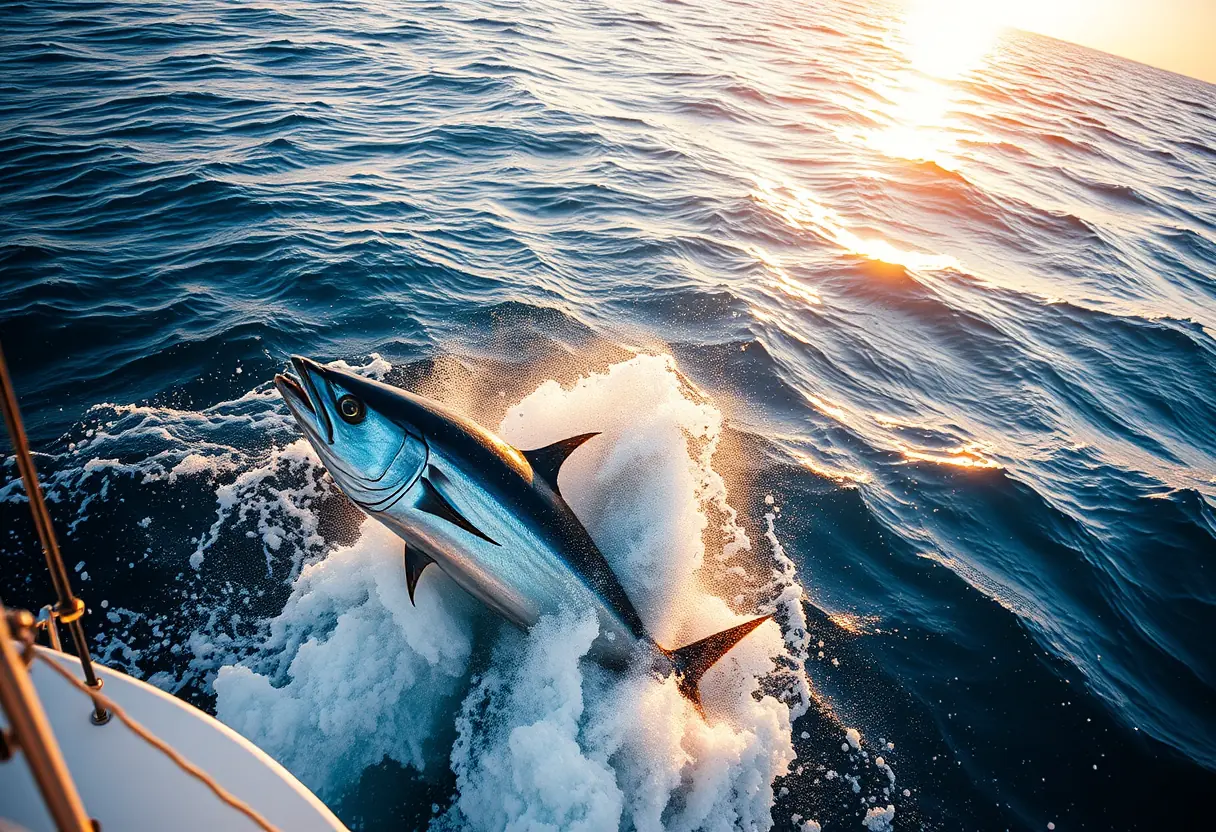
Summer flips the script to classic trolling. Run a tight spread along weedlines and temperature breaks for blue marlin, mahi and yellowfin. The blue marlin trolling spread guide covers lure positions and the hookup sequence.
Pack for This Port
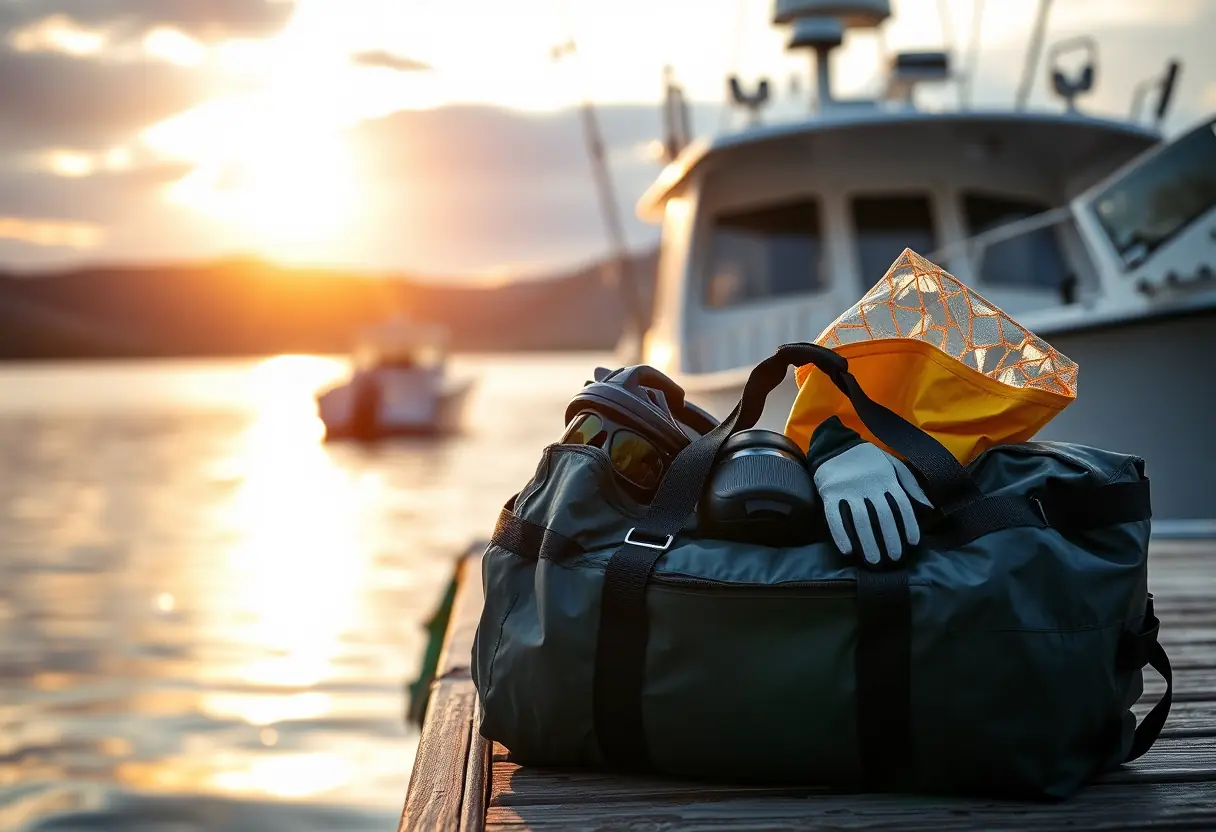
For summer, start with the blue-water trolling starter kit. On a charter, bring the charter day kit: glasses, sun protection, gloves, a dry bag and seasickness bands.
Winter bluefin trips are a different packing list. Two-speed reels with real drag, standup rods, a fighting harness, heavy fluorocarbon and serious cold-weather layers. Compare reels in the offshore trolling reels roundup and check the PFD and safety gear roundup before you run 35 miles into January water.
Before You Go
Check the NC Division of Marine Fisheries for state rules. Atlantic tunas, billfish, swordfish and sharks fall under federal Highly Migratory Species rules, including a vessel permit. Bluefin retention changes in-season, so check NOAA’s bluefin status page before you clear the inlet. This is not legal advice.
Winter weather windows are short. Carry a fuel reserve, file a float plan, and turn back when the forecast turns. The fish don’t negotiate. Neither does the Atlantic in February.