Hilton Head is a two-front war. The marsh, the creeks and Port Royal Sound load up with tarpon and redfish close enough to see from the dock. Run 60-plus miles east and you are in the Gulf Stream with mahi and blackfin. Nothing in between is boring.
The Run
Start close. The Betsy Ross Reef sits about 16 miles out in roughly 90 feet of water, built around a 430-foot liberty ship that is the largest piece of artificial-reef structure off the South Carolina coast.
Wrecks and reefs scatter the bottom around 30 to 50 miles out. Navy Tower R7 is about 50 miles offshore, R8 about 60. The 100-fathom curve sits roughly 50 to 60 miles out, and the Gulf Stream lies about 60 to 80 miles offshore. Blackfin start showing 40 to 70 miles out where the current pushes in.
That is a long run. Budget the whole day and the fuel to match.
What Bites, When
April through June bring the first tarpon trickling into the sounds, right behind the cobia run. April and May are shoulder weight; June is when the fish stack up as water hits the mid-70s.
July through September is peak tarpon. The fish follow menhaden into Port Royal, St. Helena and Calibogue sounds and up the rivers, and they stay until the water drops below about 75 degrees, sometimes into October.
Summer and fall are best for mahi offshore. Blackfin are most active from summer into early fall. Sailfish peak in July and August, with June as the shoulder.
Late summer through fall is the prime tailing window for redfish. Reds show on flood-tide flats as early as April and stay into November.
Winter turns the redfish into big low-tide schools along the spartina edges.
SCDNR says tarpon show up in South Carolina from April and peak in July and August, so April and May get shoulder weight. It also reports sailfish peak in summer, best in July and August, and that red drum spawn in late summer and fall. The tarpon and sailfish peaks follow SCDNR; the other peaks come from the fishing sources listed below.
How to Fish It
Inshore is where this port shines. Flood tides push reds up into the grass to feed, tails waving. Our sight-casting tailing redfish guide covers the approach and the cast. When the wind kills the flats bite, switch to live-baiting bull reds on structure.
Summer tarpon are about following the bait. Find the menhaden, find the fish. For after-dark sessions around lit structure, read night tarpon on structure.
Offshore, troll weedlines and temperature breaks for mahi and blackfin.
Pack for This Port
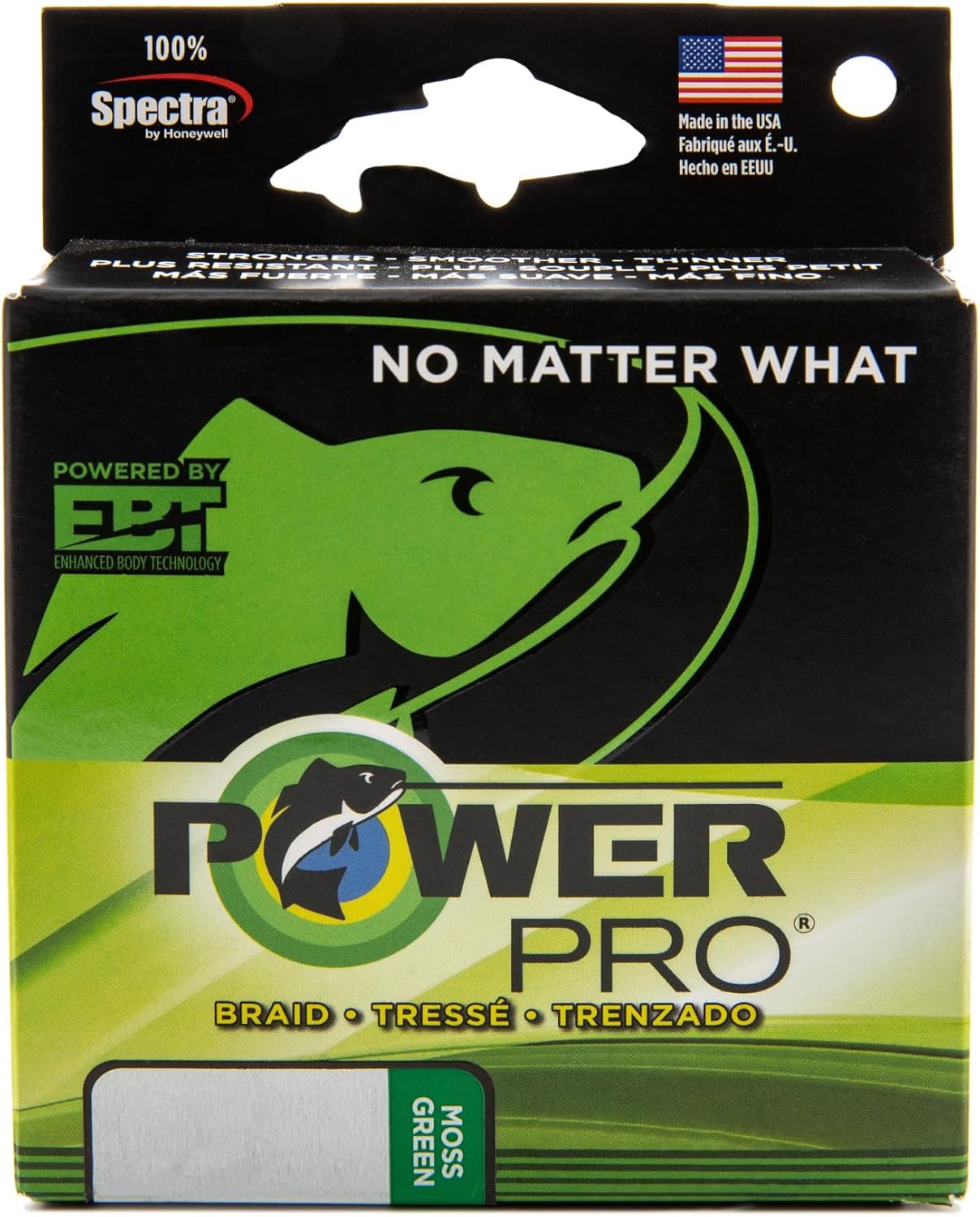
The inshore redfish ambush kit covers braid, leader and a safety piece. Polarized glasses are non-negotiable on the flats: no glare cut, no tails spotted. See the best saltwater braid roundup for line.
Booking a Gulf Stream charter? Bring the charter day kit and check the charter day essentials. A full day on the water is long without sun protection and seasickness bands.
Before You Go
Check SCDNR fishing regulations for state saltwater rules, including redfish limits. Atlantic tunas, billfish, swordfish and sharks fall under federal Highly Migratory Species rules, including a vessel permit, managed by NOAA Fisheries. This is not legal advice.
A Gulf Stream run from here can top 150 miles round trip. Carry a fuel reserve, file a float plan, and turn back when the weather does. The fish don’t negotiate.