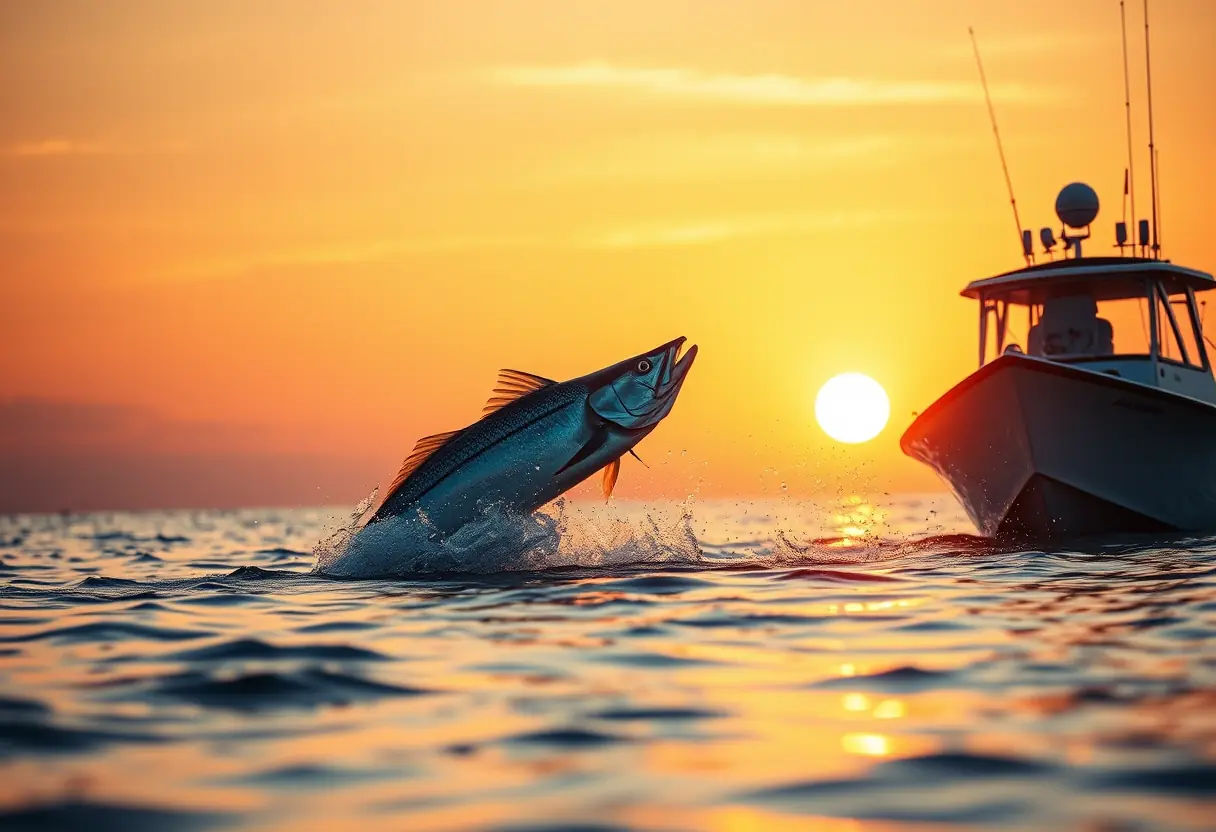
Tarpon under bridge lights do not hesitate. The strike is sudden and violent, and the fight that follows is decided fast, not slow. Night structure fishing around bridges and docks puts you in position for consistent action after dark, when bait concentrates in the light seam and pressure from boat traffic drops off. Keep the boat quiet, put the bait in the current lane, and be ready for the first jump before the rod is settled.
A hooked tarpon near pilings will use the structure against you immediately. The first ten seconds of the fight matter more here than the next thirty minutes combined.
Where and When
Bridges, docks, and passes with tidal current concentrate bait and tarpon after dark, year-round in warmer regions. Seasonal migratory runs add numbers through late spring and summer, while resident fish remain on local structure when the calendar changes. Track tide direction, water clarity, and the bait that is using the light; a perfect bridge with no moving food is just concrete.
Tackle Class
Forty- to 60-pound braid to heavy fluorocarbon leader, 60-100lb near structure, is the working range. This is not the place for finesse tackle; the fight is won or lost in the first commitment of drag. A saltwater braid setup gives the reel capacity and abrasion resistance to turn a fish before it reaches the pilings, while a disciplined bow-to-the-king jump keeps the line from sawing across the fish’s mouth.
Size, fight, and the OffshoreHookup canon
Smaller tarpon are still explosive, but adult fish commonly weigh 40-100 pounds. A 100-150-pound silver king is a serious night target, and exceptional tarpon push beyond 200 pounds. They belong in the OffshoreHookup canon because they turn a familiar bridge into a high-consequence arena: the strike is close, the jump is immediate, and the structure is waiting. The crew has to communicate before the bait goes out, then clear the line and follow the fish without giving it a free turn.
The hookup plan
Set the drag before the cast and keep the line angle clean around the bridge shadow. When the tarpon jumps, bow the rod and lower the tip to reduce shock, then regain pressure as the fish lands. Keep the fight short with the heaviest responsible tackle, leave the fish in the water for a controlled release, and never turn a spectacular jump into a careless dockside landing.

