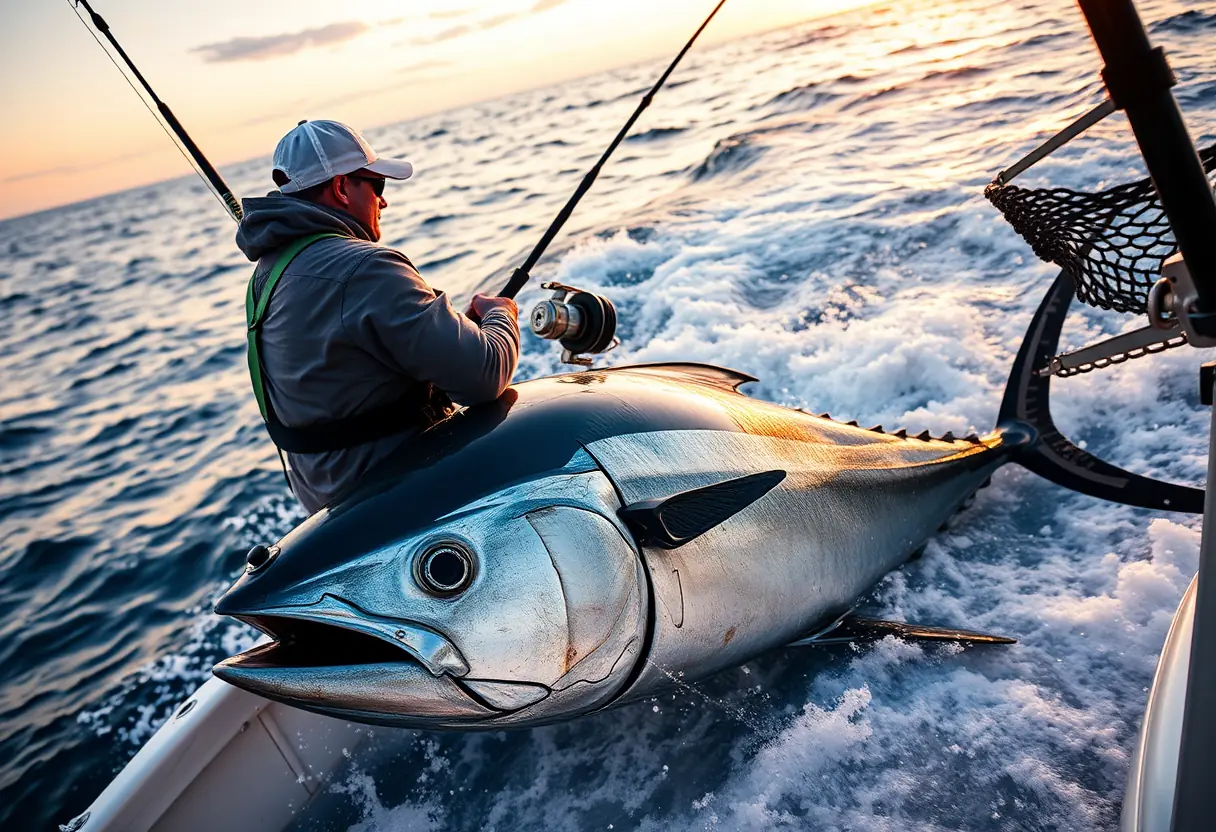
The Mississippi River dumps into the Gulf at the bottom of Louisiana, and the continental shelf is waiting right there. That geography is the whole story. Venice puts big yellowfin, wahoo and blue marlin within reach of a day boat, and the delta behind it holds redfish by the thousands.
The Run
You start by running down the river. Once you clear the passes, structure comes fast.
The Midnight Lump, charted as Sackett Bank, is an underwater mountain that rises to roughly 200-250 feet below the surface. Louisiana Sportsman puts it about 20 miles off Southwest Pass. When the water cools, it turns into a tuna magnet.
The 24-Mile Rigs are a cluster of five platforms centered about 27.5 miles from the Red No. 2 buoy at the mouth of South Pass. Plan the fuel for a long round trip from the Venice marinas.
Beyond that, the oil patch takes over. Louisiana Sportsman counts around ten productive shelf rigs within striking distance, with deepwater floaters sitting 20 miles or less past them. In spring through fall, the play moves to water 700 feet and deeper. Fall and winter, the action pulls back to the 200-foot zone and the Lump.
What Bites, When
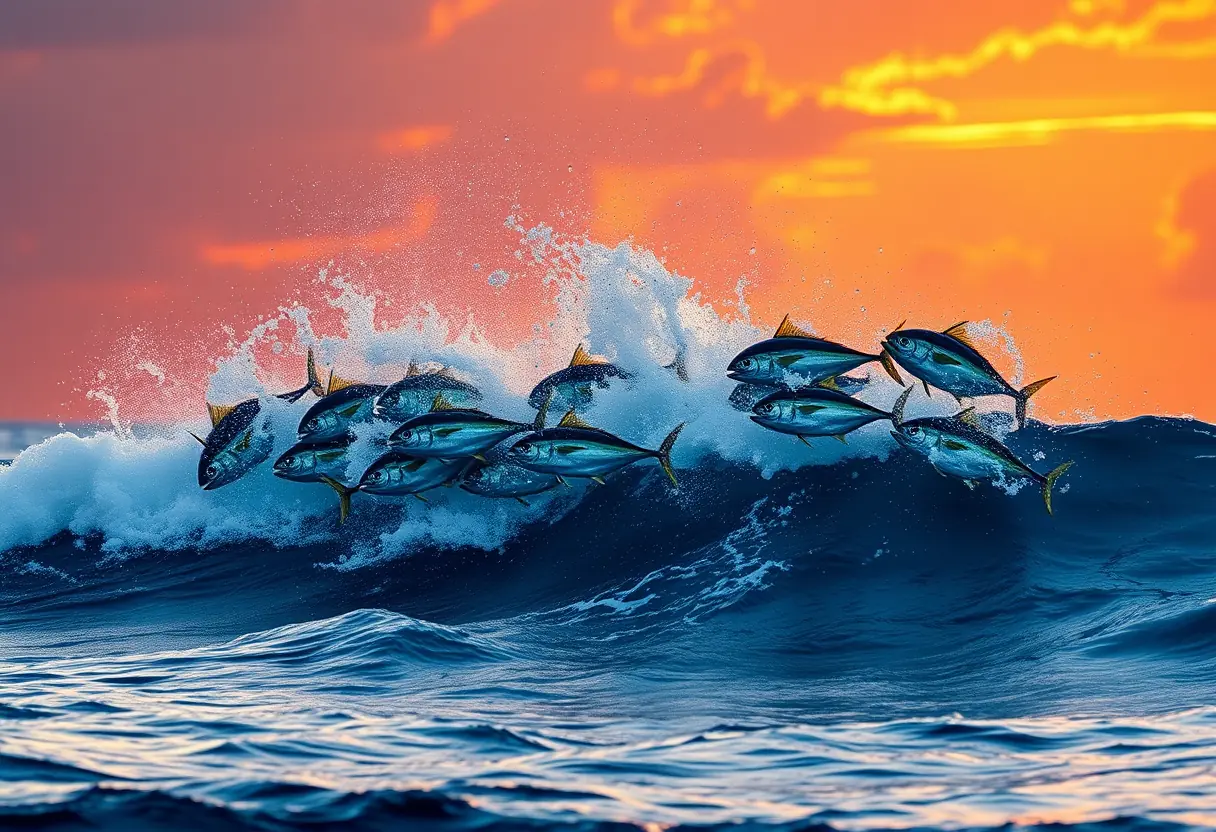
Yellowfin are in play eleven months a year, with two heavyweight windows. January through March is lump season: cold, choppy, often foggy, and loaded with the biggest yellowfin the Gulf produces. September and October fire again as fish crowd the shrimp boats. Louisiana Sportsman calls December the soft month, so we leave it off the grid.
Wahoo show up in force as bycatch on the winter chunk at the Lump and the shelf rigs, January through March.
Blue marlin turn on from May, peak June through August, and hang on into October.
Inside, redfish never leave. Spring and fall are the hottest stretches. Tarpon roll through from July into September.
How to Fish It
Winter at the Lump means one thing: chunk. Pick a rig or the Lump, start a steady chunk line, and drift fluorocarbon-leadered baits back in the slick. Our chunking guide for bluewater yellowfin covers the slick, the leader and the drift. Expect wahoo to crash the party, so keep a wire rig ready.
Summer, push past the shelf rigs and pull a marlin spread around the floaters. The blue marlin trolling spread breaks down lure placement and drag. Trolling ballyhoo around the rigs works any month when the chunk bite is slow.
Back in the delta, live-baiting bull reds is the move when wind keeps you inside. Big redfish and yellowfin tuna on the same trip is a Venice thing.
Pack for This Port
Venice tuna break cheap gear. You need a two-speed lever drag with real line capacity, quality braid backing, and fluorocarbon you trust. A stand-up harness saves your back on a 150-pound-class fish. Wire for the wahoo.
Start with the blue-water trolling starter kit and fill in from the best offshore trolling reels and best saltwater braid roundups. Booking a charter? The charter day kit covers what to carry on board. Winter means cold spray: layers, gloves and a dry bag.
Before You Go
Check current Louisiana regulations and federal Gulf reef fish rules before you leave the dock; seasons and limits change. Tunas, billfish, swordfish and sharks fall under federal Atlantic HMS rules, so read up on the HMS Angling permit requirements. Louisiana stacks its own permit on top: anyone 18 or older possessing tunas, billfish, swordfish, wahoo, mahi, snappers, groupers, amberjacks, cobia or gray triggerfish needs a free Recreational Offshore Landing Permit from LDWF. On a charter, the captain’s Charter ROLP covers paying anglers. Watch the marine forecast hard in winter, and budget fuel for the river run both ways. None of this is legal advice. Read the agency pages linked here.