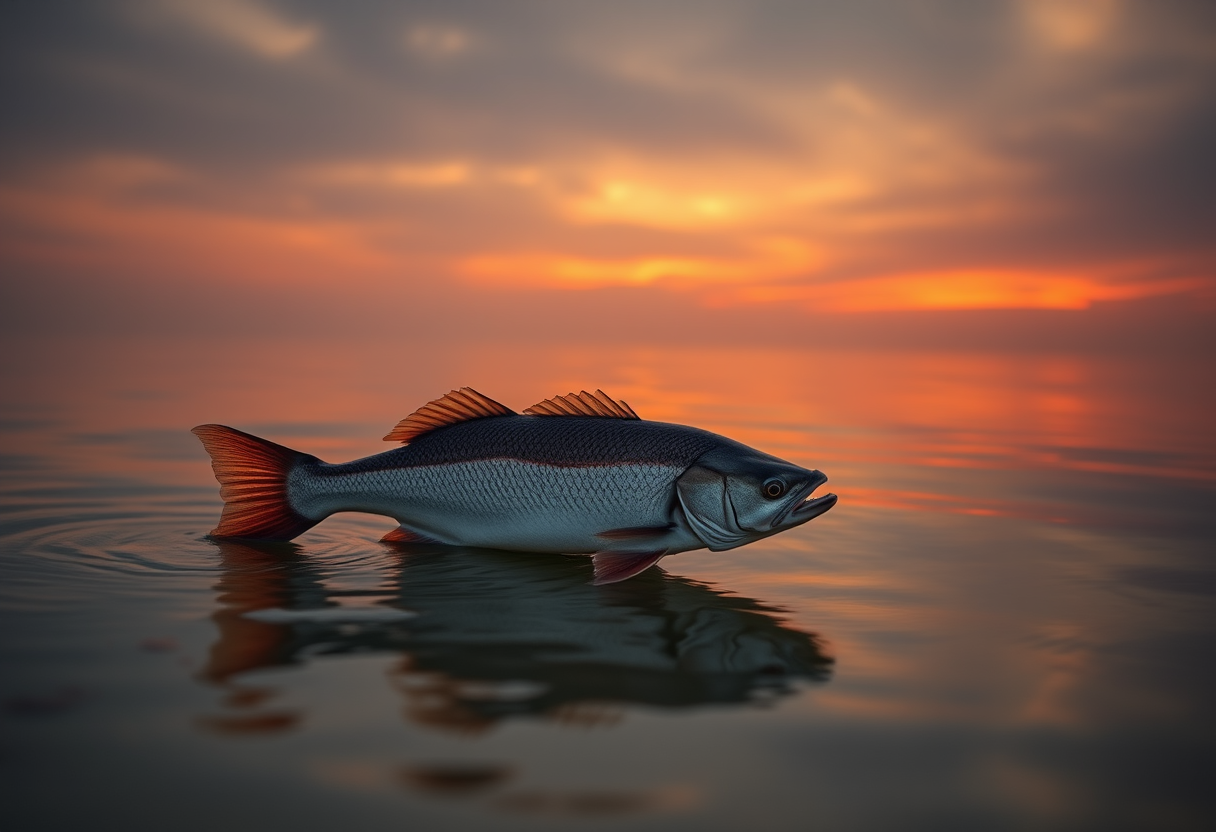
Bull redfish don’t quit when the flats bite dies in a blow. They relocate to structure, and live-baiting the current breaks near bridges and channel edges keeps the season going through weather that shuts down sight-fishing entirely. When the wind stacks the water, switch tactics instead of waiting for the flats to become polite again. Find the current, put the bait on the edge, and hold on.
Once hooked near structure, a bull red fights dirty, using pilings, rocks, and current to try to cut the leader. Firm drag from the strike is the difference between landing the fish and explaining what happened to the leader.
Where and When
Flats and shallow structure hold redfish in calm conditions; channel edges, bridge pilings, and jetty rock take over as the go-to water when wind and chop push fish off the exposed flats. Seasonal spawning runs can put bull reds on passes and beaches, while resident fish cycle through marsh drains, oyster edges, and deeper channels through the rest of the year. Let the tide decide where the bait will travel, then set up down-current of the ambush point.
Tackle Class
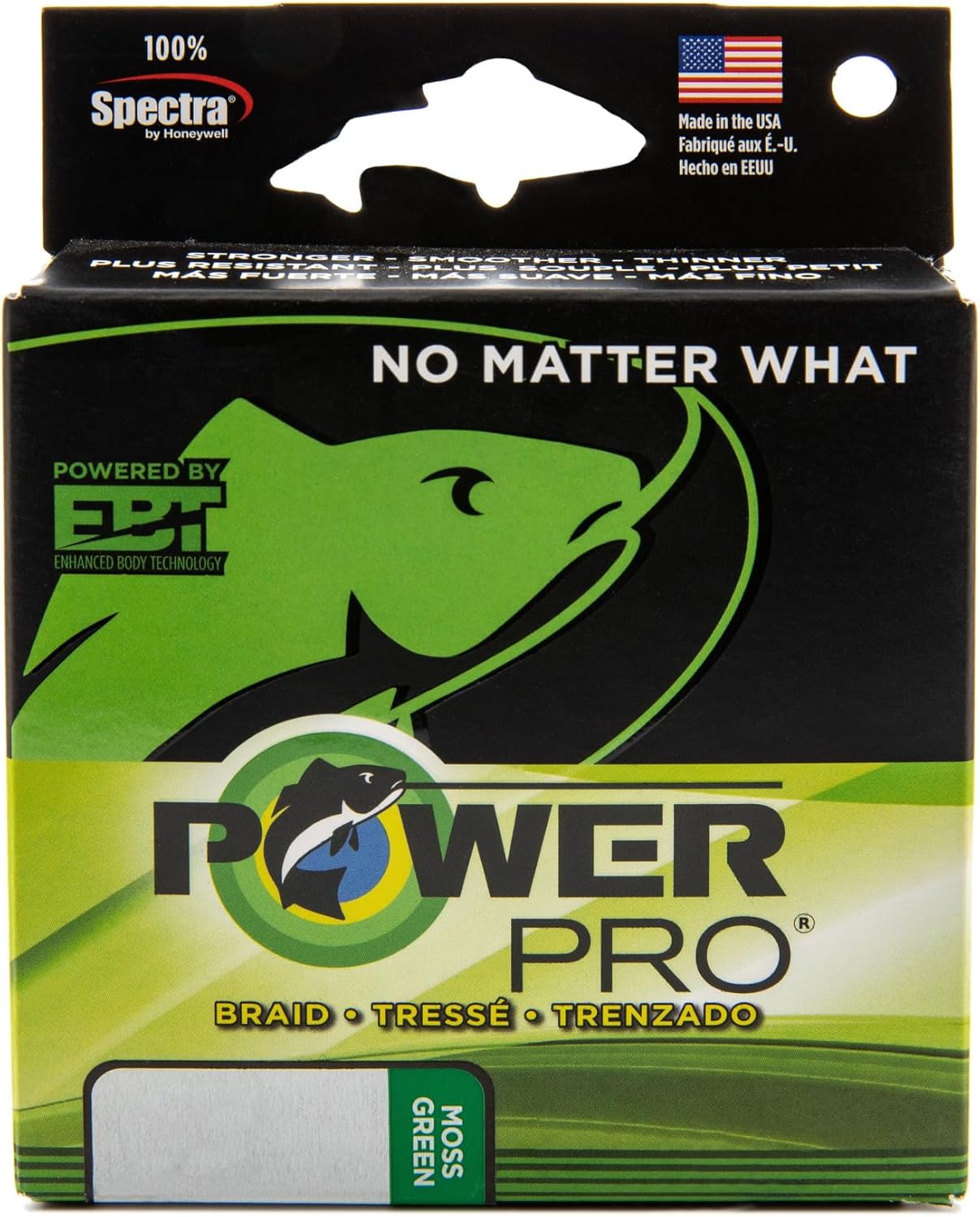
Twenty- to 30-pound braid to a fluorocarbon leader handles the vast majority of bull redfish encountered inshore. Structure fishing calls for the heavier end of that range, and circle hooks are the right choice when fishing cut bait. The inshore redfish ambush kit keeps the basic system together, while the live-baiting guide shows how to fish the current break when the flats are blown out.
Size, fight, and the OffshoreHookup canon
Redfish cover a wide size range, but bull reds commonly run 20-40 pounds and exceptional fish can break 50. That is enough mass and power to make a channel edge feel like offshore structure. Redfish belong in the OffshoreHookup canon because they refuse to be weather-dependent: when the wind gets ugly, the fish move, the current accelerates, and a prepared crew keeps hunting. The fight is all heavy head shakes, hard runs, and a leader pointed at whatever cover is closest.
The hookup plan
Keep the bait on bottom or just above it according to current speed, then stay ready for a sudden turn toward the piling. A firm first lift clears the fish from the cover; after that, let the rod absorb the head shakes and keep the line out of the rocks. Handle bull reds horizontally, support the belly, and return them quickly when the goal is a living trophy rather than a cooler fish.