Islamorada calls itself the Sportfishing Capital of the World, and the map backs it up. Flats at the dock. Reef a few miles out. A seamount at 15. Swords at 30. You can chase a grand slam inshore and a blackfin on the Hump in the same week.
The Run
The reef is right there. Alligator Reef Light stands about 3.5 nautical miles east of Indian Key. The reef structure runs out past 100 feet, holding yellowtail, mutton snapper, grouper, kings and cero mackerel all year.
Push to the Hump. The Islamorada Hump sits some 15 miles offshore: an undersea mountain that climbs to within about 200 feet of the surface out of 500 to 700-plus feet of water. Current slams into it, upwellings feed the bait, and the bait feeds everything else. Blackfin are the headliner. Mahi, wahoo, sails, marlin and sharks crash the party.
Then go deep. Swordfish grounds sit about 25 to 30 miles offshore. That’s where the drop gets serious and the fish get heavy.
What Bites, When
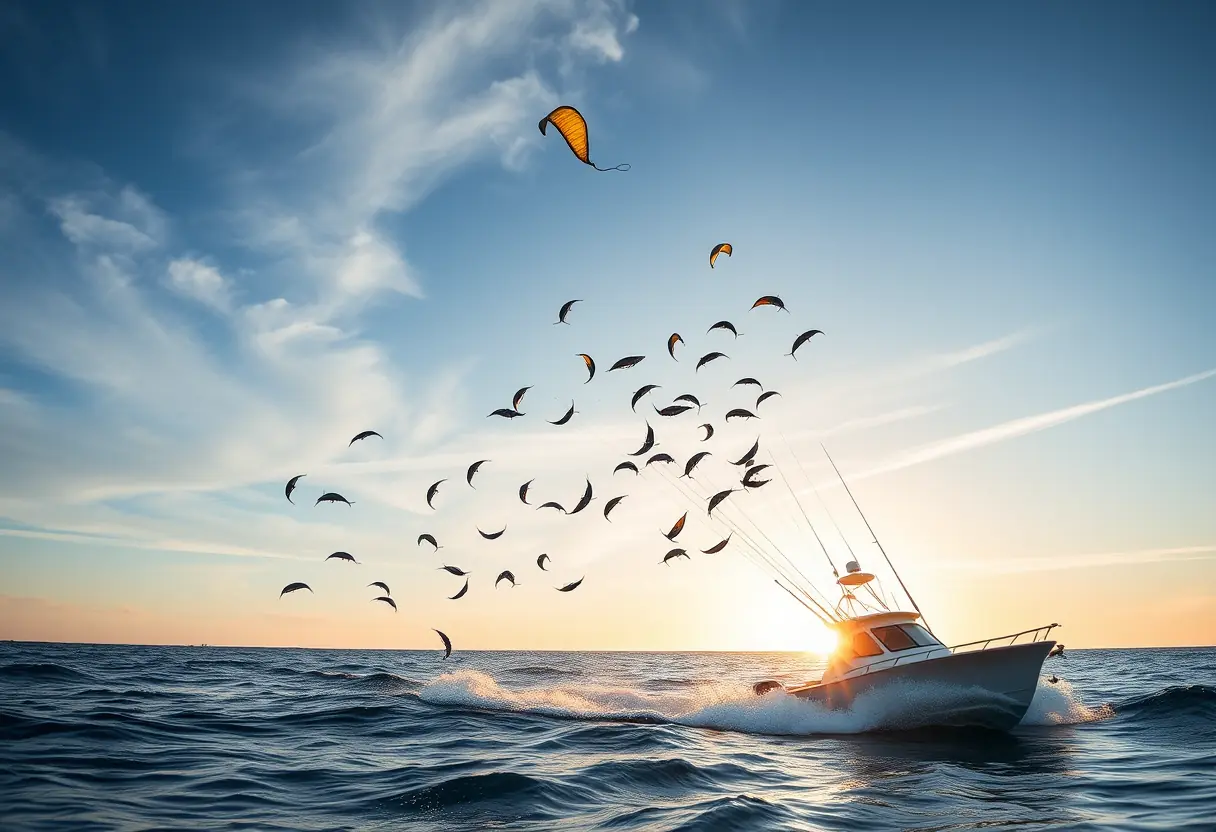
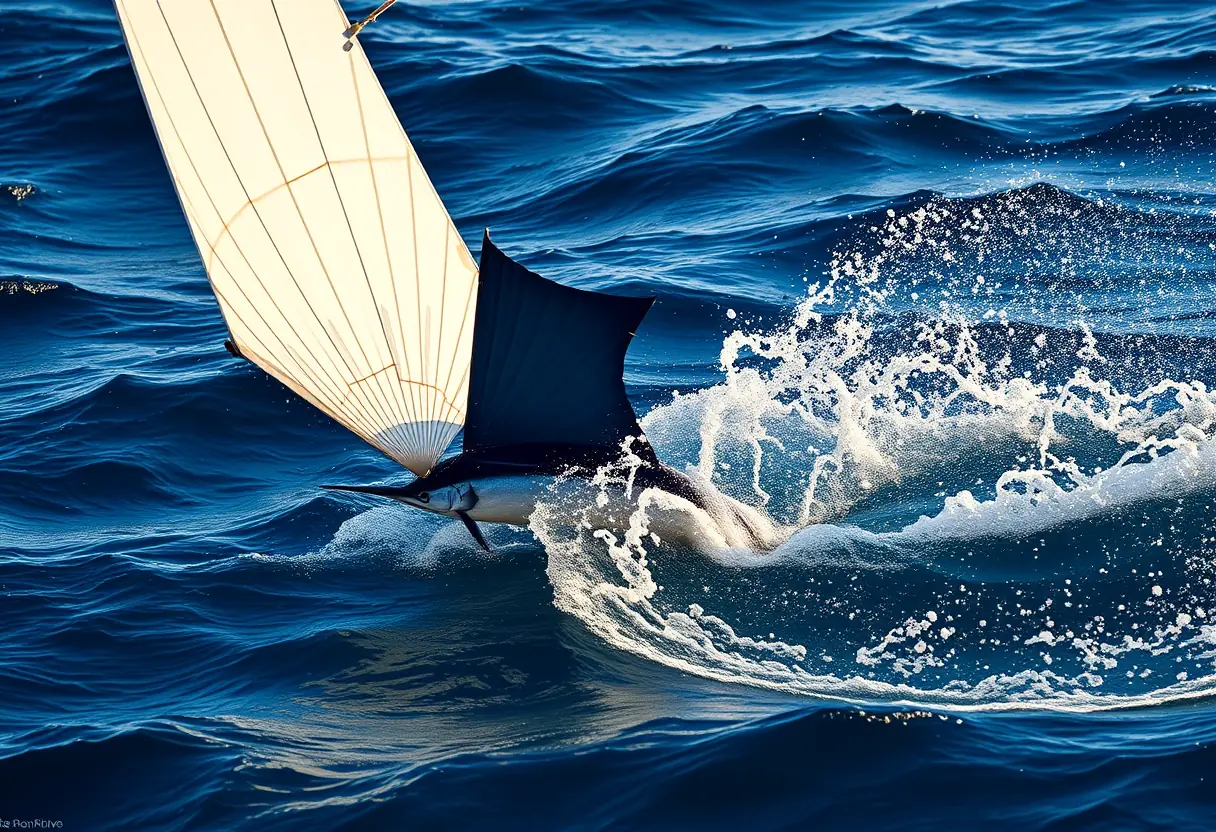
Winter (November through April) is sailfish season. Sails work the reef edge and the kites go up.
Spring is the big overlap. Blackfin, amberjack and sharks are around all year, but spring is the peak. Blackfin hit the Hump in spring and again in September and October, and the bigger fish run in the fall. Tarpon, bonefish and permit fire on the flats from March through June.
Fall brings the second wave. Tarpon, bonefish and permit come back from September through November. Mahi have shown up in spring, but in recent years the best numbers have run August through early December.
Summer is hot. Crews leave at first light or fish late afternoon to dodge the midday heat.
The FWC Monroe County guide lists spring through summer for mahi. The chart keeps those months fishable, while the fall peak follows the more specific recent Islamorada report cited below.
How to Fish It
Winter sailfish on the reef edge are a kite game. Two kites, live baits dancing on the surface, a clean release clip. The full rig is in our kite fishing guide for sailfish and mahi. The same spread works when mahi push in.
On the Hump, chum and drift. Chunk and freeline baits back into the slick and let the current carry them to the blackfin. Our chunking guide was built for yellowfin, but the slick discipline is identical. When they won’t come up, drop a speed jig.
For tarpon, the bridges and channels light up after dark: see night tarpon on structure.
Pack for This Port
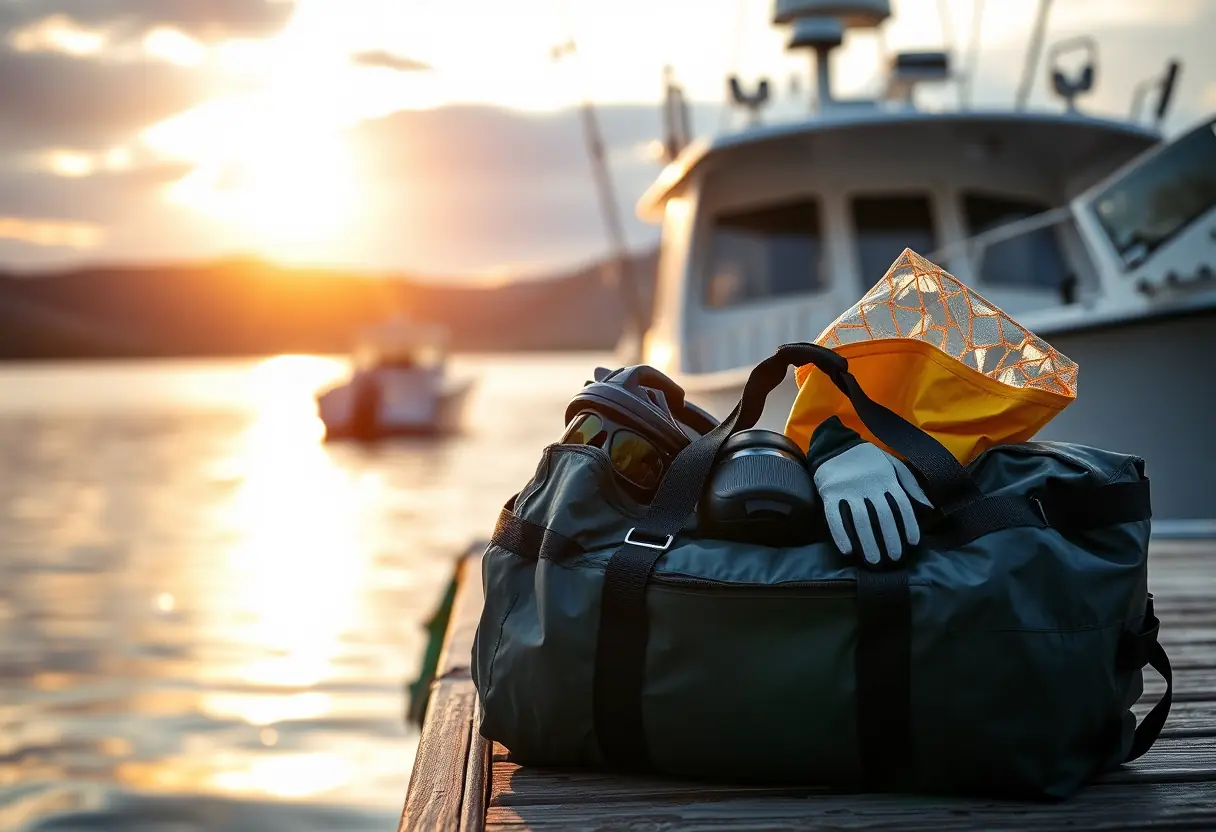
Winter sail days run on the sailfish and mahi kite spread kit and the kite fishing rigs roundup. For the Hump, bring speed jigs, fluorocarbon leader and quality braid. Booking a boat? Grab the charter day kit: polarized glasses, sun hoodie, seasickness bands and a dry bag.
Before You Go
Florida rules come from FWC. Islamorada’s reef and backcountry fall inside the Florida Keys National Marine Sanctuary, with its own zones and rules. Tunas, billfish, swordfish and sharks are federal Atlantic Highly Migratory Species with their own vessel permit: check NOAA Fisheries. Not legal advice.
Wind against the Gulf Stream stacks up steep seas fast. Watch the forecast, carry a fuel reserve, and respect the turnaround call.