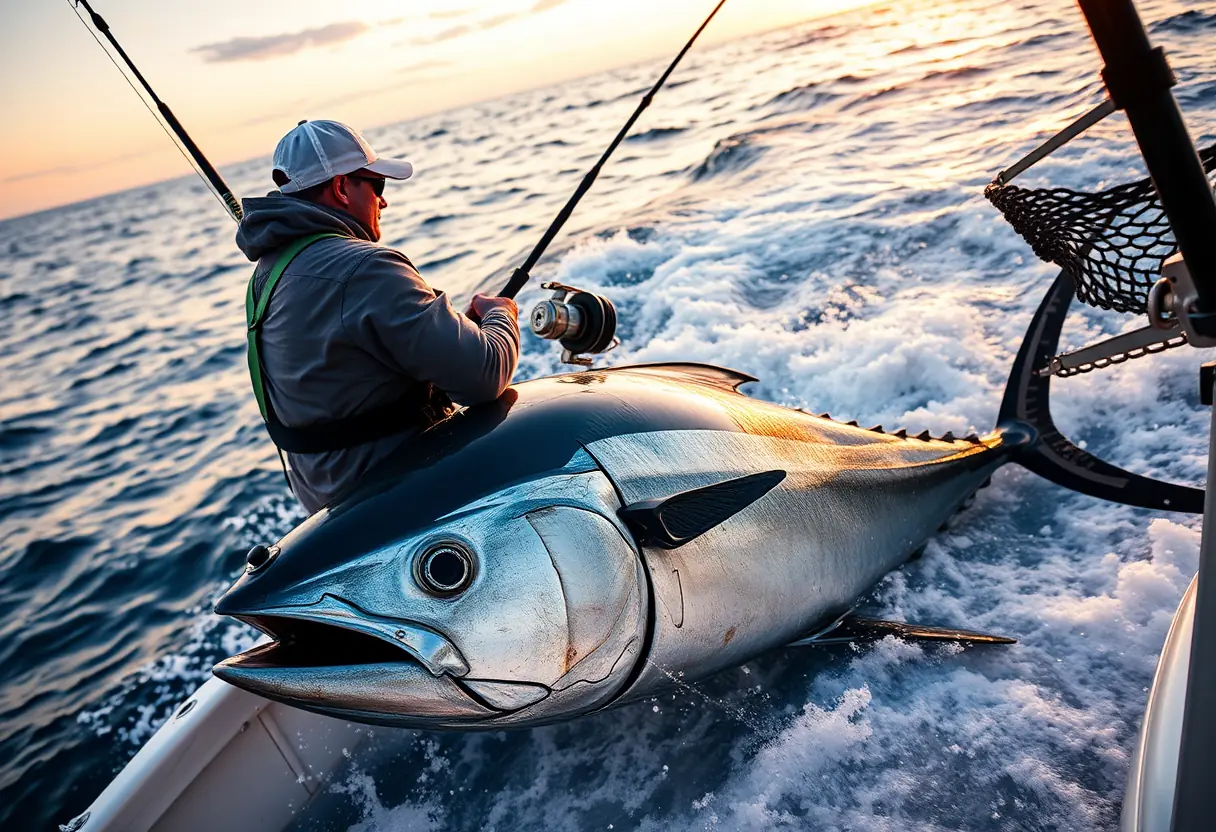
Key West is the end of the road and the start of the Straits. Reef six miles out. A wall that drops into the abyss 20 miles south. Sails in winter, marlin in the heat, tarpon in spring. Every season has a headliner here.
The Run
Start short. It’s about a six-mile ride from Key West Harbor through the main ship channel to the reef. Sand Key Light is about seven miles southwest. In the cooler months, cobia, kingfish, wahoo and sailfish hunt just beyond the reef line. You don’t need a battlewagon to get in the game.
Western Dry Rocks sits about 12 miles southwest, just inside the reef drop-off. That’s the mutton snapper hot zone in early summer.
Then the main event. The Wall, also called Wood’s Wall, sits roughly 20 miles south of Key West. It is a drop-off and canyon system running east-west along the Straits of Florida, and it loads up with bait and mid-size gamefish. Find that edge, find the marlin. Discovering it rekindled the marlin era in Key West.
What Bites, When
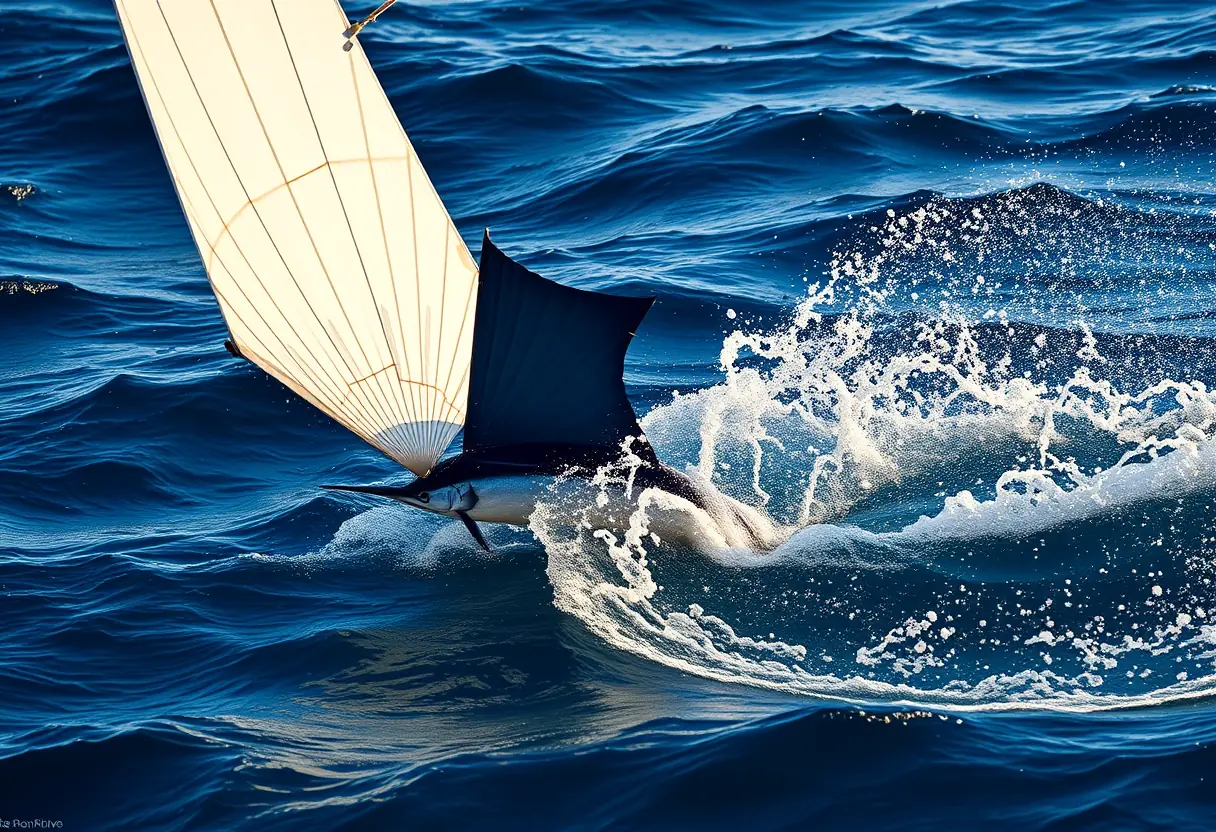
Winter (December through March) is sailfish season. Sails push down the Keys through winter and spring. Kings invade in winter and early spring, wahoo prowl beyond the reef, and blackfin stack on the wrecks from fall through early spring.
Spring lights the bridges. Tarpon run the Bahia Honda Rail Bridge corridor from March through June, with fish topping 100 pounds. Flats tarpon hold from spring through fall.
Late spring into summer brings mahi coursing the Gulf Stream and mutton snapper heating up on the reef.
Late spring through fall is marlin time on the Wall, with the Lower Keys blue marlin peak landing September through November. The 400-plus-pound fish show up in that window.
The FWC Monroe County guide also places sailfish from fall through spring, mahi from spring through summer, and blackfin from fall through spring. The tighter peaks on this chart follow the Key West reports cited below.
How to Fish It
Out on the Wall, it’s a trolling game. Lures in a tight, disciplined pattern, worked along the edge where current pushes bait up against the drop. Our blue marlin trolling spread guide breaks down positions, lure sizes and the hookup sequence. Blue marlin don’t give second chances.
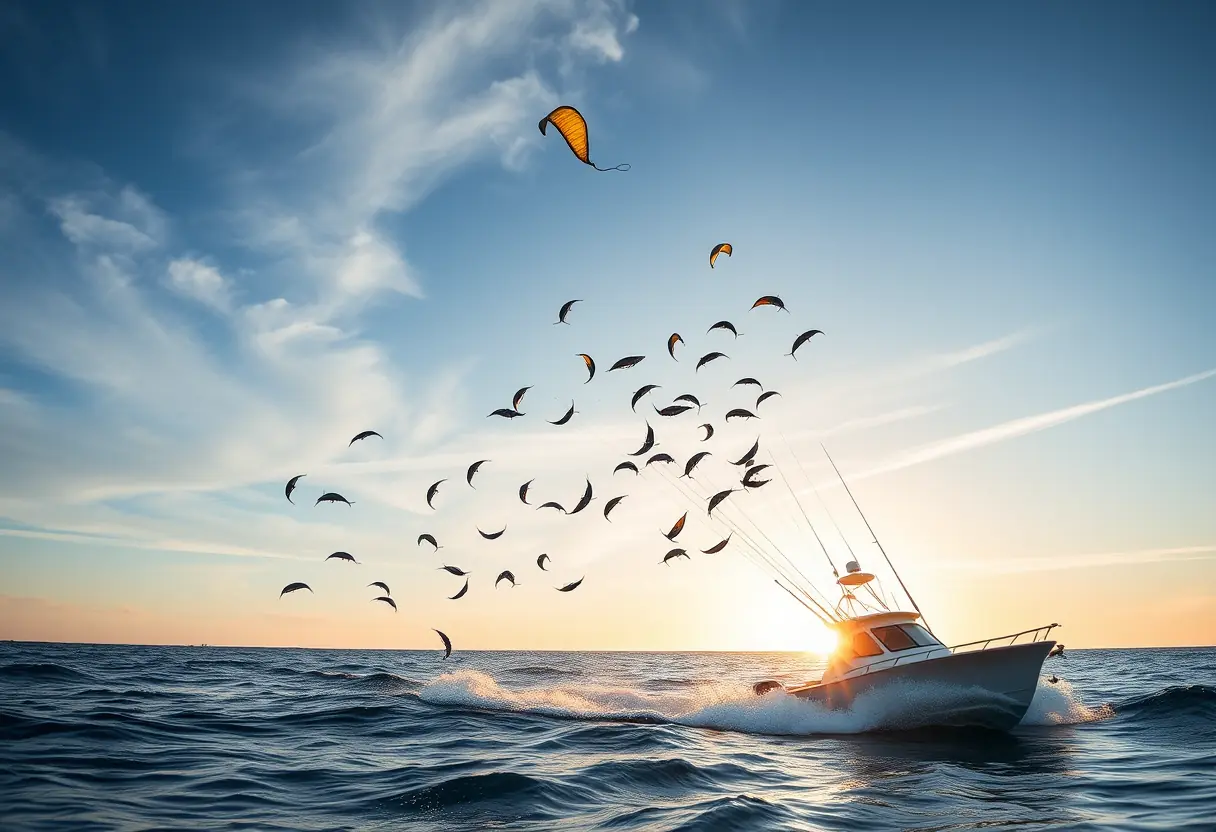
Winter is about sailfish along the reef edge. Kites keep live baits splashing on the surface right where a sail wants them: kite fishing for sailfish and mahi. When wahoo are around, pull high-speed lures across the edge with our wahoo trolling spread guide, and do not skip the wire.
Pack for This Port
A Wall day needs real trolling tackle. Start with the blue-water trolling starter kit and check the offshore trolling reels roundup. For winter sails, run the sailfish and mahi kite spread kit. Bring quality braid, a fixed gaff from the boatside tools roundup, polarized glasses and a sun hoodie. Twenty miles south of Key West, the sun has no mercy.
Before You Go
Florida saltwater rules are set by FWC. Much of the water around Key West sits inside the Florida Keys National Marine Sanctuary, which has its own zones and rules. Tunas, billfish, swordfish and sharks are federal Atlantic Highly Migratory Species with their own vessel permit: check NOAA Fisheries. Not legal advice.
The Straits can stand up fast when wind runs against the Gulf Stream. Watch the forecast, carry a fuel reserve, and turn around when the sea tells you to.