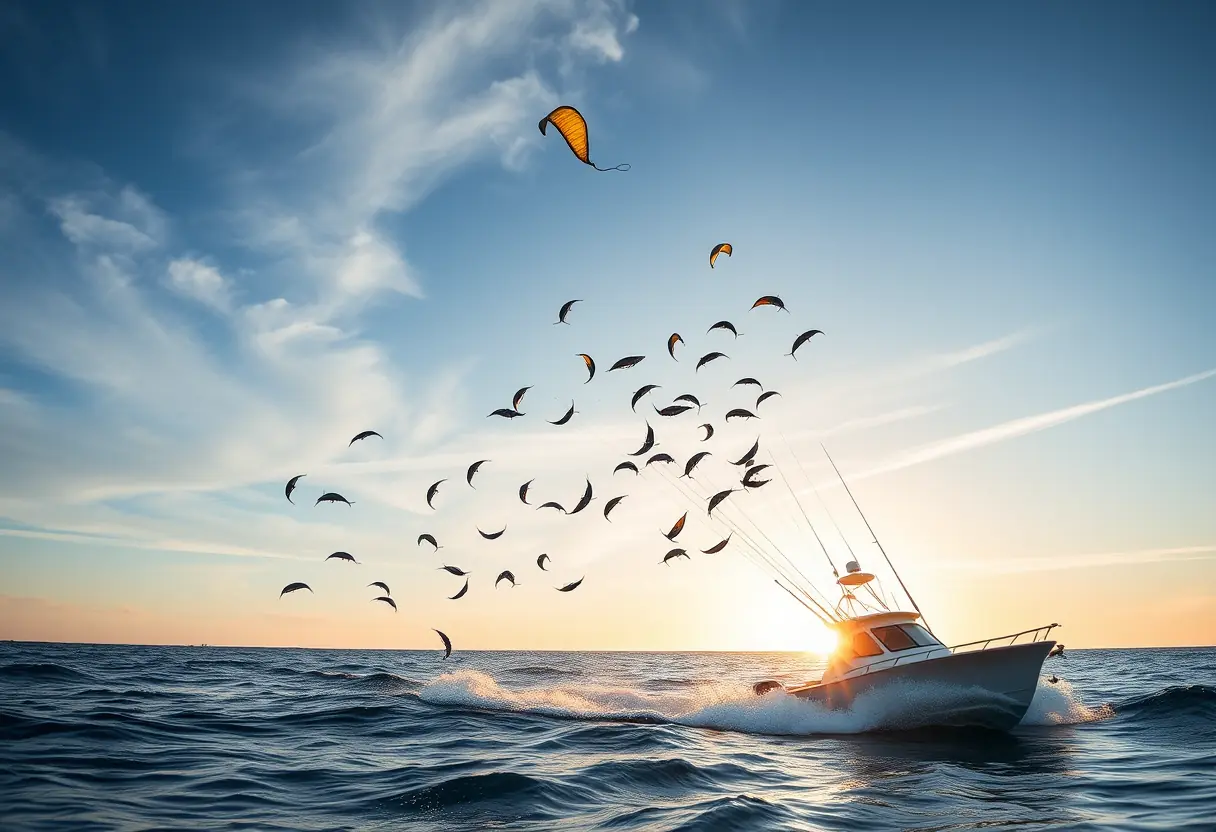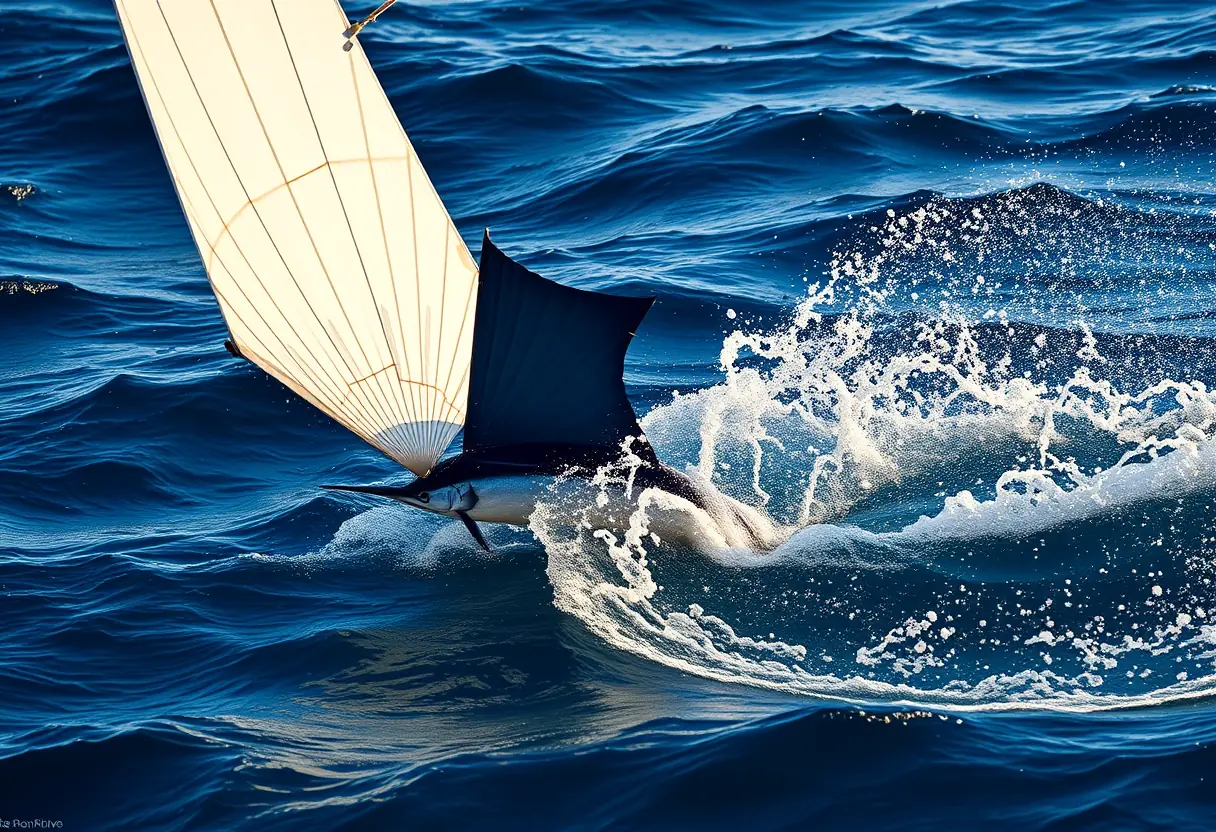
Stuart has carried the Sailfish Capital of the World title since 1938, when one week off St. Lucie Inlet produced roughly 1,000 sailfish, most of them released. The title still holds. Sails at six miles. Swords at 25. Snook in the river the same afternoon.
The Run
Short to the action. The sailfish grounds sit about 6 to 8 miles off St. Lucie Inlet, in roughly 80 to 160 feet of water. Through the winter the Gulf Stream nudges close and pushes the sails onto that ledge. Kingfish are even closer, sometimes less than a mile off the Martin County beaches.
Push to about 20 to 25 miles and you’re on the swordfish grounds, dropping baits into 1,300 to 1,500 feet of water.
And if the window is wide open, West End, Grand Bahama, sits about 70 miles across the Stream.
What Bites, When
Mid-November through February is the sailfish peak. Sails push south along the coast and the Treasure Coast fleet lights them up. Outside the season, some summers bring a few weeks of bonus sailfish action, with crews releasing 8 to 10 fish a day. It is a wildcard, not a season, so it stays off the calendar.
February stacks the deck: permit, cobia and mahi show alongside the sails.
April and May bring the big mahi, fish in the 20- to 30-pound class, with the occasional sailfish still in the mix.
Spring and fall are snook seasons. Inlet snook peak in March and April once the water reaches the mid-70s. Then the fall mullet run hits. October is prime time, with snook and tarpon blitzing the bait along the St. Lucie River and inlet.
The FWC Martin County guide also lists summer for tarpon. Those months are fishable on the chart, with October kept as the local mullet-run peak.
How to Fish It
Stuart runs a hybrid program: trolled dead bait and kites. Dredges and chin-weighted ballyhoo on circle hooks are the standard offshore setup, and 20- and 30-pound tackle handles most of the day. When conditions favor live bait, the kites go up. Our kite fishing guide for sailfish and mahi covers the rig. Sailfish are the point of this port.
Inshore, the Crossroads near St. Lucie Inlet is snook ground year-round. Topwater plugs worked around the bridges at night during the mullet run produce some of the best action. Get the approach in snook on structure and surf and night tarpon on structure. Snook and tarpon both feed hard when the mullet push through.
Pack for This Port
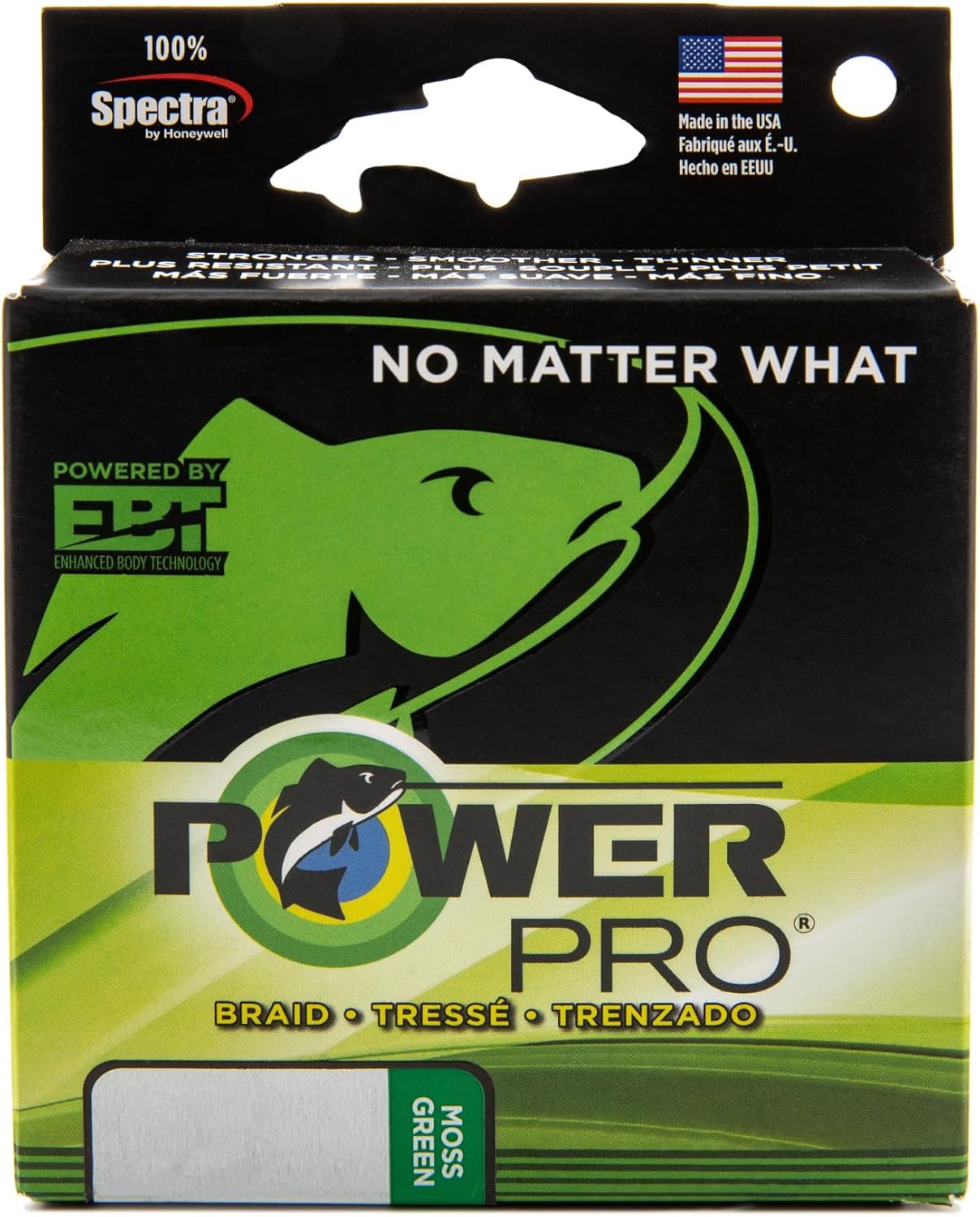
Winter sail days need the sailfish and mahi kite spread kit and gear from the kite fishing rigs roundup. Circle hooks, fluorocarbon leader and quality braid round it out. For inshore nights, bring polarized glasses for the day shift and pliers for the snook. On a charter, pack the charter day kit.
Before You Go
Florida rules come from FWC, and snook have their own seasons and rules: read the FWC snook page before you keep anything. Sailfish, swordfish and tunas are federal Atlantic Highly Migratory Species with their own vessel permit: check NOAA Fisheries. Not legal advice.
Inlets get ugly when the tide runs against the wind. Time your exit and return, and keep a fuel reserve for the swordfish run.