Snook do not negotiate. Every inch of dock piling, mangrove root, and oyster bar is a weapon the fish knows how to use, and the moment it feels the hook, it turns and drives straight into the structure that just held it.
Catching snook on structure is not a patience game. It is a reflex game. Set the hook, lock the drag, and turn the fish in the first three seconds or you are feeding a line to the barnacles.
How Snook Use Structure
A snook is a lie-in-wait predator. It holds in shadow, using a current seam to deliver bait without requiring any movement. A dock edge where shadow meets sun is a perfect ambush lane. The seam between a mangrove root ball and open water is another. The rip current at the mouth of an inlet is a third.
Every productive snook spot shares one trait: current delivers the meal, and cover lets the fish strike without exposing itself. Finding snook means finding where those two things converge.
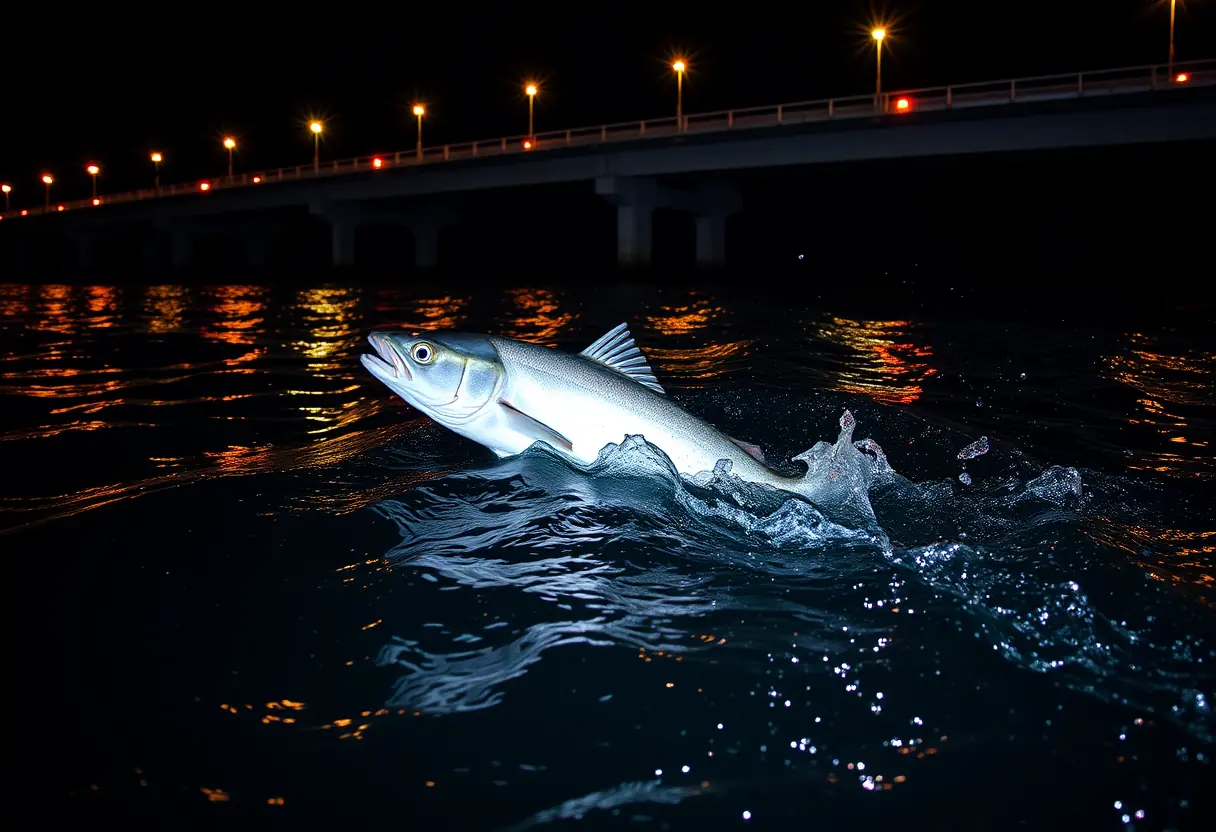
Night and low light shift the game. Under bridge and dock lights, snook behave exactly like tarpon on night structure: the light concentrates bait, and the predator holds just outside the light’s edge, striking into it. After dark, the best snook lane is the same seam that holds night tarpon: where lit water meets shadow.
Dock Patterns
Docks concentrate snook because they offer shade, pilings, crossbeams, and current edges in one structure. Fish the down-current side. As tide pushes past the dock, bait sweeps along the shadow line, and snook sit at the edge facing up-current, letting the tide deliver food.
Position the boat outside the shadow line and cast parallel to the dock rather than directly at the pilings. A lure that drops into the shadow and drifts along the structure edge covers the whole ambush lane in one presentation. A bait thrown straight at the piling sits in one spot and only catches fish willing to move, which is not how dock snook feed.
Two mistakes kill dock fishing: casting too far under the dock into dead water, and fighting the fish toward the structure instead of away from it. The instant a snook is hooked along a dock, the only option is sideways pressure pulling the fish out into open water. Let it run toward the piling and the leader is gone.
Mangrove Shoreline Patterns
Mangroves present a different geometry. The ambush points are the gaps between root clusters, the slightly deeper pockets where a snook can hold out of current while still seeing bait, and the channel edge where the shoreline drops from the root mass into open water.
Work the edge with parallel casts. A swimbait or paddle tail soft plastic running just off the root tips triggers reaction strikes from snook holding in pockets that would never see a bait dropped straight at them. Cast ahead of the boat, work the lure along the root edge, and let it swing away from the structure at the end of the retrieve. That swing triggers strikes from fish that have been following.
With live bait on a mangrove shoreline, a weightless shrimp or small pinfish freelined into a pocket is hard to beat. No weight means no splash, no bottom snag, and a natural drift that lets current work the bait into ambush zones the angler cannot directly target.
Inlet and Pass Patterns
An inlet on an outgoing tide is a funnel. Every piece of bait on the flat behind it comes through that pass, and snook stack up on the down-current structure, at the edge of the rip, and in the seam between the main current and the slack water on the edges.
The rig changes here. More current means more weight to get the bait in the zone and a faster retrieve to keep artificials in the strike window. A jig head in the 1/4-1/2 oz range works through the rip better than a weightless presentation. Live pinfish or grunts on a knocker rig stay down and drift through the current seam at depth, where bigger fish hold out of the main flow.
Inlet snook are generally larger than backcountry dock fish. The same aggressive hook-set and turn pressure applies, but the fight is more open-water. Get the drag right before the cast; a snook in current with full drag pressure is a different fight than one running to a nearby piling.
The Rig
Main line: 15-20lb braid. The thin diameter lets current work live bait naturally, and the zero stretch means the hook-set at distance actually lands.
Leader: 30-40lb fluorocarbon is mandatory near any hard structure. Fluorocarbon is near-invisible in clear inshore water, and its abrasion resistance is the only thing standing between your knot and a barnacle-covered piling. A 24-36 inch leader covers most situations. Go longer near heavy mangrove roots where a big snook can bury deep into cover before the fluorocarbon even touches anything.
Live bait options: Shrimp (weightless or lightly weighted for dock/mangrove), pinfish and grunts (hooked through the back near the dorsal for inlet current), and ladyfish cut to size for big structure fish. Match the bait size to the structure depth. A four-inch shrimp is the right call at a shallow dock; a six-inch pinfish covers the inlet slot fish.
Artificial options: Paddle-tail swimbaits in chartreuse or white on a 1/4 oz jig head, soft-plastic shrimp imitations under a popping cork for dock and mangrove edges, and topwater walk-the-dog style lures at first light when fish are chasing bait on the surface. The popping cork is loud and disruptive. It works. Do not apologize for using it.
Leader Note: No Wire on Snook
Snook have a lateral line slot across the head, not teeth. A wire leader appropriate for toothy species like mackerel or bluefish is not needed and will cost you bites. Heavy fluorocarbon in the 30-40lb range handles the abrasion from structure without adding the visibility penalty of wire.
Fighting Snook on Structure
The rule is simple: turn the fish before it turns into the piling.
The instant a snook is hooked, the drag is either set hard enough to dominate the first run or it is not. Do not adjust drag after the strike. The time it takes to reach for the star drag or lever is the time a dock snook needs to wrap the line once and break off. Set 8-10lb of drag before the cast on 20lb fluorocarbon, and trust it.
Side pressure is more effective than straight back pressure. A snook pulling toward a piling will outmuscle a straight retrieve on a short fight. A 90-degree side angle redirects the fish along the structure face instead of into it, giving the angler a fighting chance to move the fish laterally out of the danger zone.
Handling and Release
Snook are a catch-and-release fishery for most of the year in most Florida regions, and the handling matters. Do not hold a snook vertically by the lower jaw on large fish: the jaw-hang technique that works on bass can dislocate a snook’s jaw under the fish’s own body weight.
Support the body horizontally. Use wet hands. If the fish has been fought hard in warm water, revive it in the current facing upstream until it kicks away under its own power. Summer water temperatures above 85 degrees make long revive times necessary. A fish that swims sideways at release is not ready. Hold it longer.
Fishing pliers are not optional here. Snook inhale baits deep, especially live shrimp at night. Long-nose pliers reach the hook without tearing the fish up with your fingers, and the built-in braid cutter keeps the rig from getting mangled on an emergency hook-change before the next cast.
What Kills This Pattern
Drag set too light. The first run of a dock snook is short and fast. Light drag “for sport” means a lost fish, a wrapped piling, and a re-rig. The fish does not negotiate.
Casting directly at structure. Parallel presentations along the structure edge cover the ambush lane. Baits lobbed under the dock or into the mangrove pocket sit in dead water.
Wrong tide stage. Slack tide on a mangrove shoreline is hard. Active current is what moves bait to the ambush points. Time the cast to moving water, not calendar time.
Skipping the polarized glasses. Reading snook structure before you cast is how you put bait in the right seam. Polarized sunglasses cut surface glare enough to read dock shadow lines, root pocket depth, and current edges that you cannot see otherwise. No sight, no plan.
For an inshore-to-offshore transition, the same braid and heavy fluorocarbon setup on the snook species page scales up to bull redfish on the flats and through-structure fights with every inshore species that uses the same ambush model.