Point Judith proves you do not need a 60-foot sportfisher to fish for tuna. Block Island sits 12 miles south, and the nearshore grounds beyond it put bluefin and yellowfin within reach of trailer boats. Short run. Big fish. No excuses.
The Run
Clear the breakwater at Galilee and point at Block Island, about 12 miles south. Past Block, the “south of Block” grounds stretch from roughly 10 to 30 nautical miles below the island and about 25 miles across. The corners have names every local knows: Butterfish Hole, the Gully, the Horns, Tuna Ridge, the Suffolk wreck, the Dump.
The closest bluefin spots, the Dump and the Gully, are about 20 miles from Block Island. The 30-fathom line, roughly 170 to 200 feet deep, is where migrating bluefin tend to travel. Sharks work 20 to 30 miles out. The canyons are a different commitment. Block Canyon, the closest, sits about 70 miles south of Montauk Point (see the Montauk port guide). Atlantis and the deeper canyons run about 95 miles out.
What Bites, When
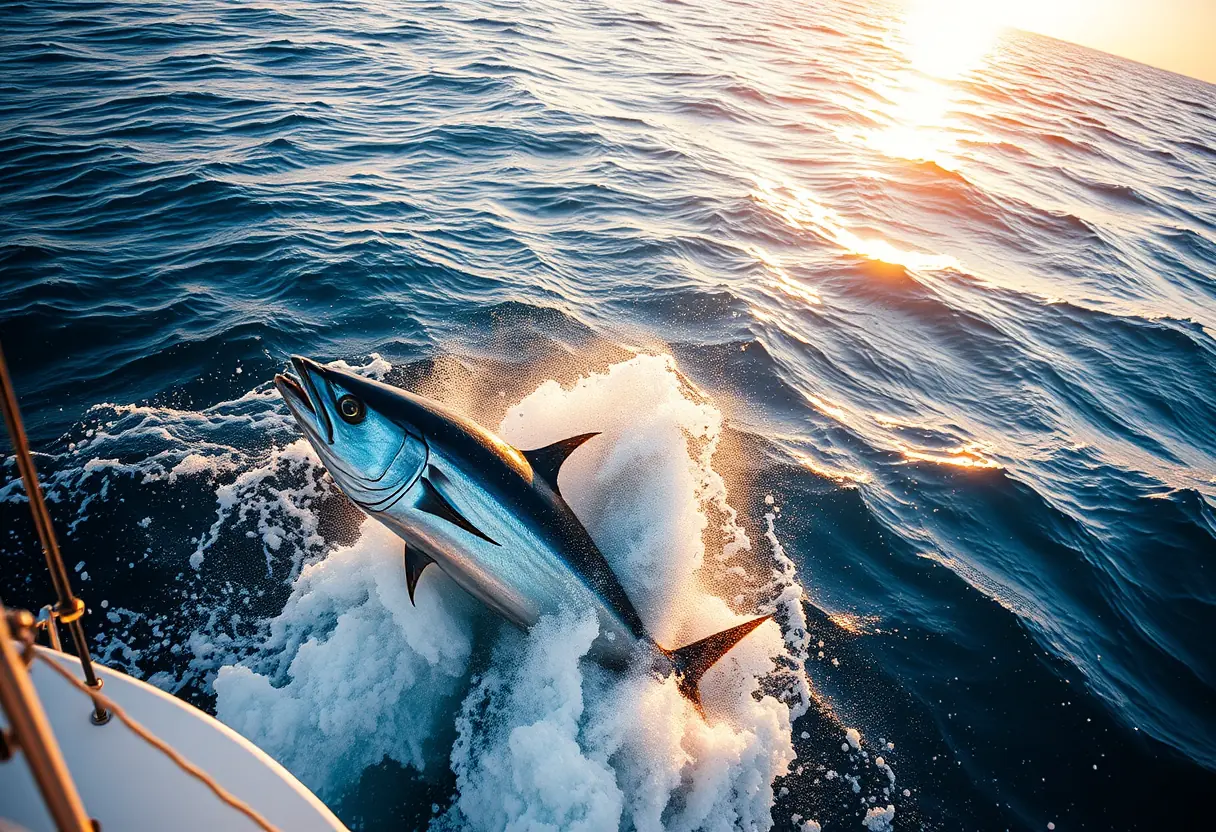
June is bluefin arrival. They usually show first, chasing sand eels onto the nearshore grounds.
July brings yellowfin. Recent seasons have delivered warm-water pushes that kept a consistent yellowfin bite going through most of the summer. Mahi show up around floating debris, and wahoo and white marlin appear when the blue water pushes close.
August keeps the tuna program rolling while striped bass fishing stays strong through summer.
September is the overload month. False albacore blitz from Newport to Narragansett with some of the best action around Point Judith. Striped bass fishing runs hot. Mixed-size bluefin are still available on the jig, troll, popper and bait.
October keeps albies and stripers going until the water cools.
How to Fish It
South-of-Block bluefin eat everything: trolled spreader bars, jigs, poppers and bait. Mark fish on the 30-fathom line and around bait schools, then match the presentation to what they are doing. When a big one eats on standup gear, run the bump-and-wind method and fight the fish with the boat and your legs.
Yellowfin that settle in can be held under the boat with a slick: our chunking guide covers it. Keep a light rod rigged for mahi around anything floating.
Pack for This Port
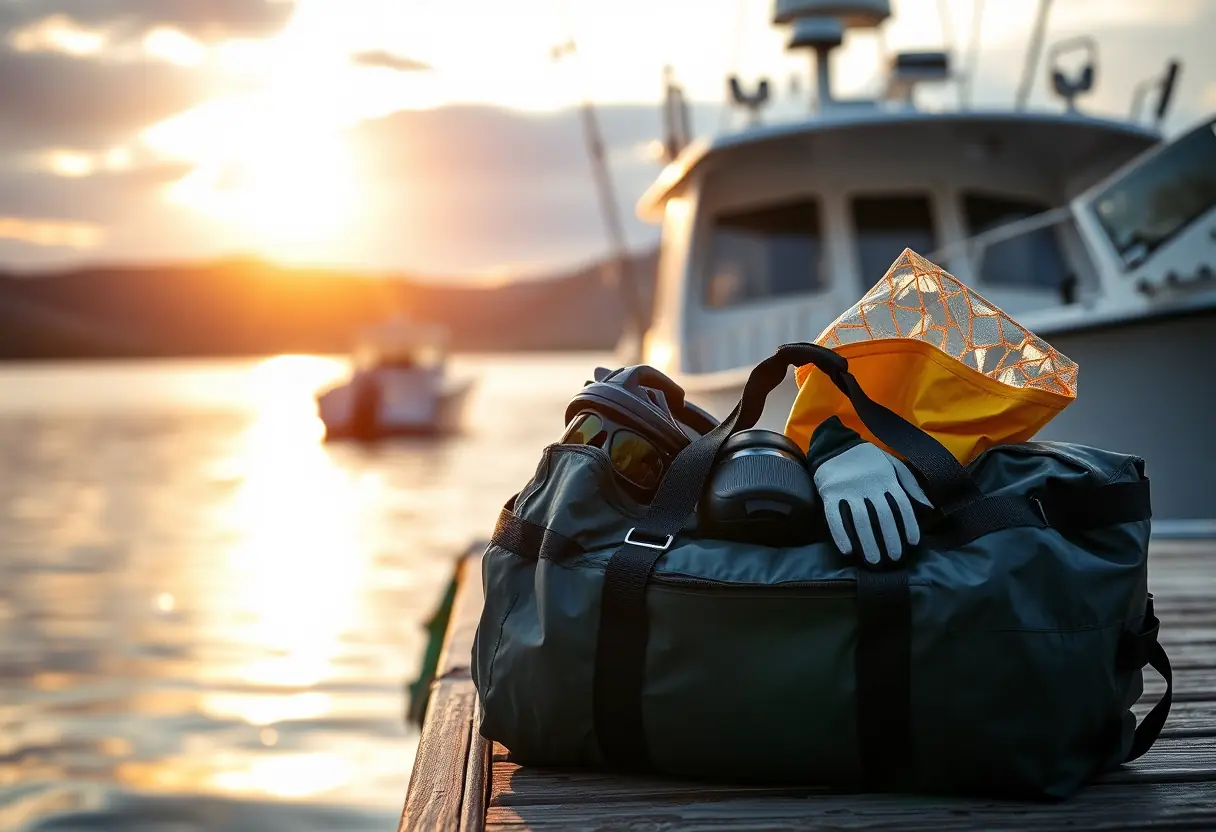
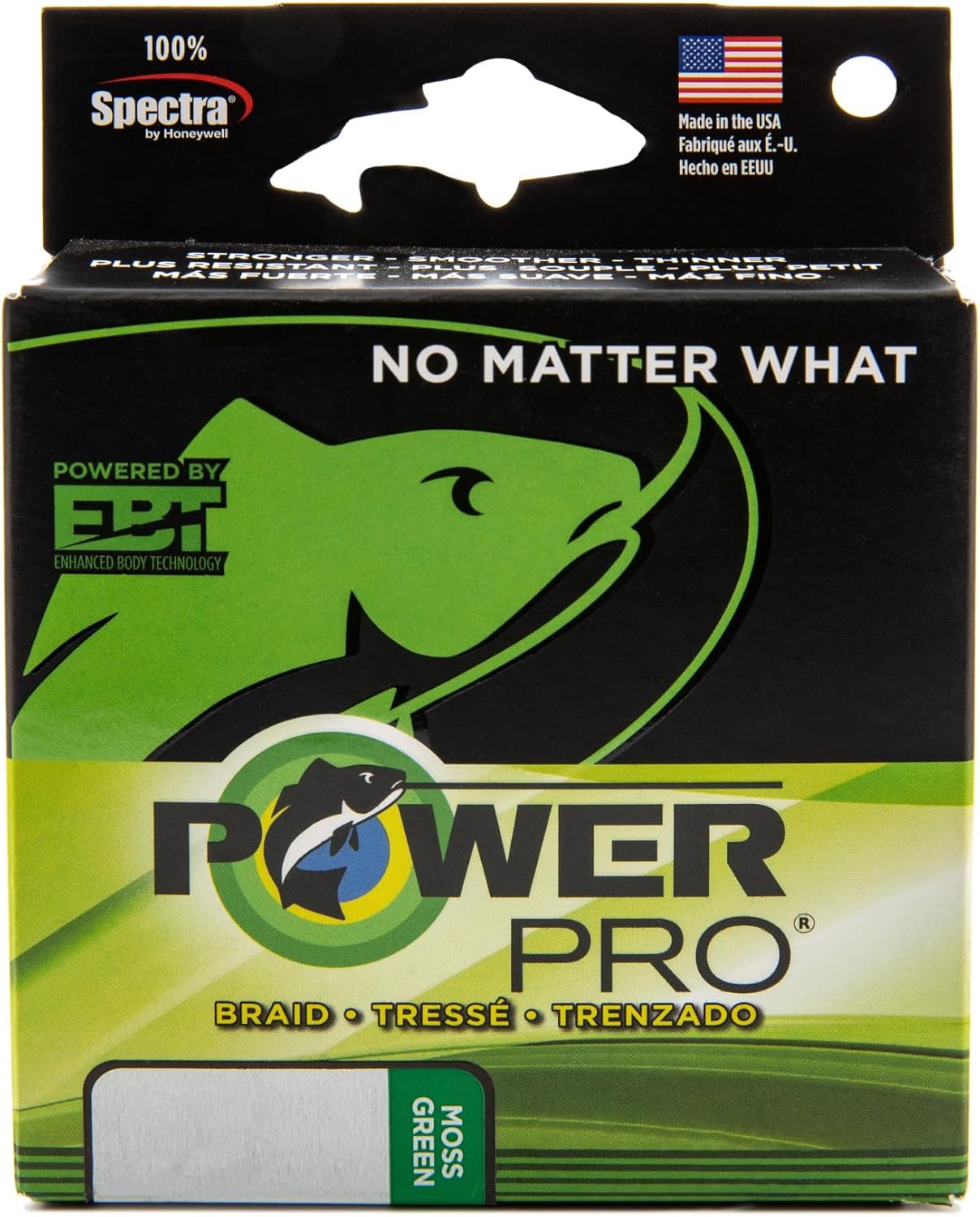
Small boat, open water: pack tight and pack smart. On a charter, the charter day kit covers personal gear. Running your own boat, bring jigs, quality braid, fluorocarbon leader, and the safety equipment covered in our offshore PFDs and safety gear roundup. Comfort matters on a long drift: see charter day essentials.
Before You Go
Rhode Island’s current minimum sizes, seasons and possession limits are on the RI DEM marine fisheries page. Tunas, sharks, billfish and swordfish require a NOAA Highly Migratory Species vessel permit, and bluefin has its own in-season rules on the NOAA bluefin status page. Not legal advice.
The south-of-Block grounds are open ocean. Watch the forecast, carry a fuel reserve, and turn around early when the wind builds.