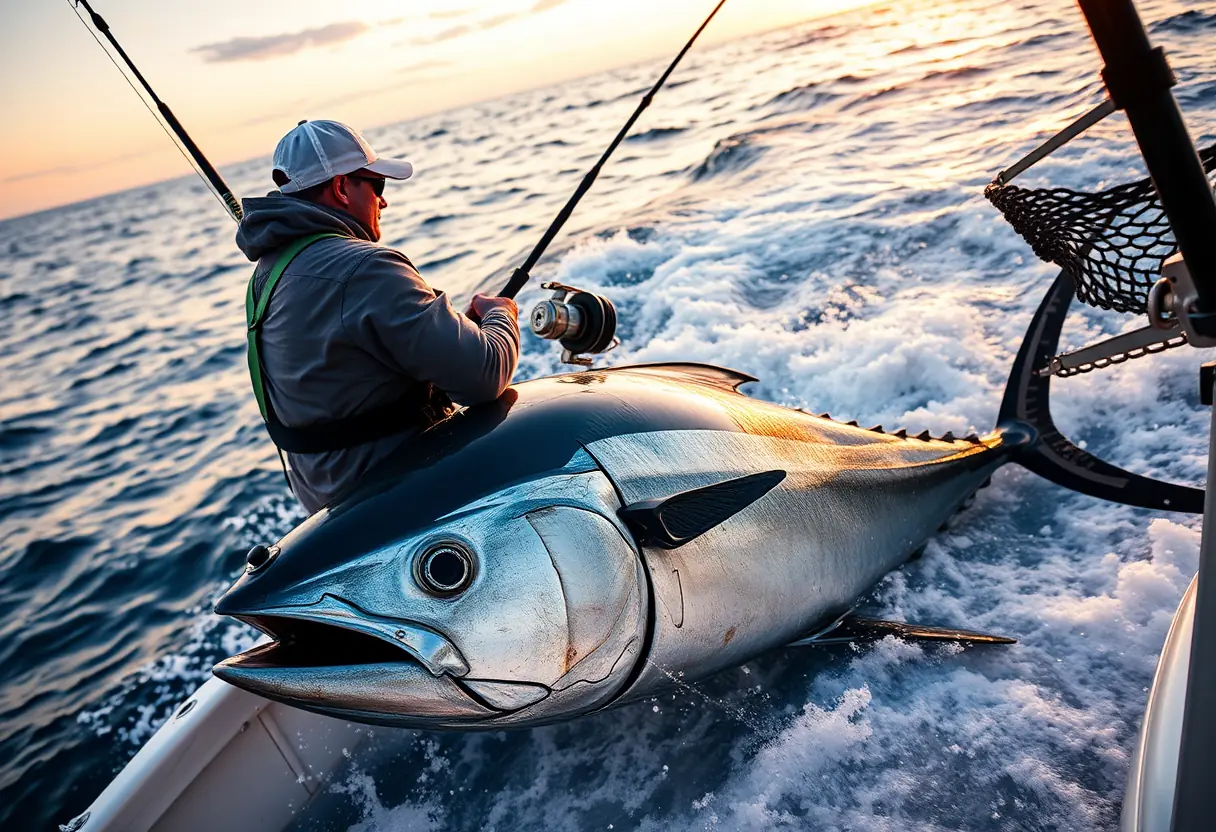
Virginia Beach does not have an off-season. It has two seasons that hit like freight trains: a summer canyon program loaded with billfish and tuna, and a winter bluefin bite that happens in cold green water within reach of the hotel strip. Most ports get one. This one gets both.
The Run
Start close. The Chesapeake Light Tower sits about 13 miles out. The Triangle Wrecks are about 30. Push past them and the bottom keeps dropping until you hit the tilefish grounds around 60 miles and Norfolk Canyon at about 70.
Norfolk Canyon is the main event. It is where the shelf breaks, the Gulf Stream pushes warm water close, and the 115-fathom line holds bait that pulls in marlin and tuna. Washington Canyon to the north is part of the same summer rotation when the water sets up there.
Winter rewrites the map. When the bluefin migrate through, they can show up anywhere from the Light Tower to the Fingers, roughly 20 to 50 miles out. No canyon run required. Some winters they have been caught right outside the inlet in 38-degree water.
What Bites, When
December through February belongs to bluefin. The fish push through in the coldest months, with March as a tail end in some years.
Spring brings the first yellowfin in late April and May, along with the first mahi.
June and July fill in the summer lineup: mahi peak, marlin arrive, and the yellowfin keep coming.
August through October is the overlap window. Yellowfin peak. Blue marlin and white marlin peak, with white marlin numbers at their highest in August and September. Wahoo hit their stride. If one window gets your fuel budget, make it this one.
November and December keep some yellowfin in play before the bluefin take over again.
How to Fish It
Summer is a trolling game. Run a full spread on the canyon edges and temperature breaks, and keep the spread tight and organized so a raised fish turns into a hooked fish. Our blue marlin trolling spread guide breaks down lure positions, speeds, and the hookup sequence. When the yellowfin stack up and stop chasing, stop the boat and chunk them up to the transom.
Wahoo reward speed. A fast spread with wire covers water and connects with fish that ignore a slow troll. Read high-speed wahoo trolling spreads before you rig.
Winter bluefin are a different animal. Local crews have adapted striper tactics, dragging heavy parachutes on long mono leaders at slow speeds near bottom in 25 to 60 feet of water. Heavy tackle. Cold hands. Big fish.
Pack for This Port
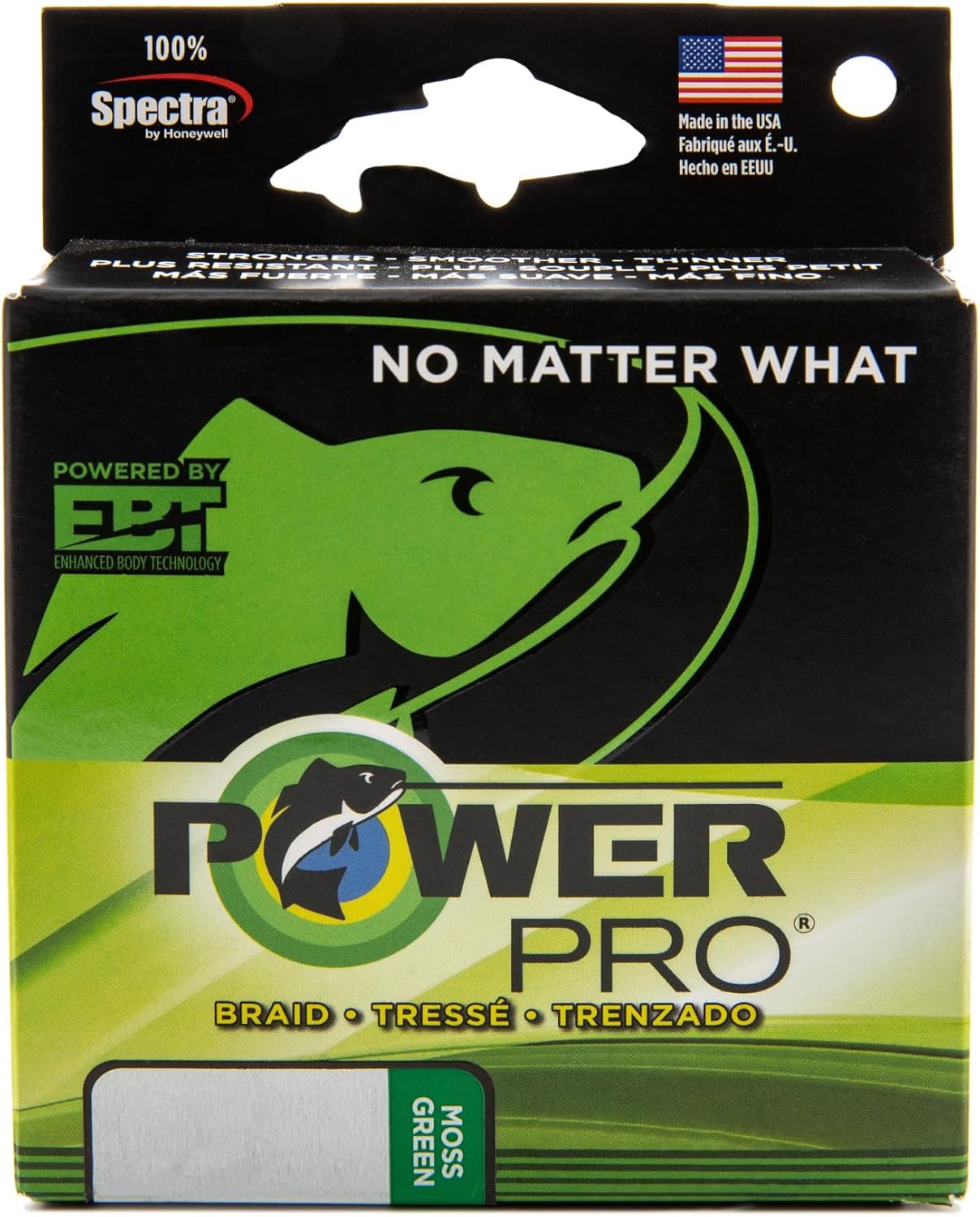
Summer canyon days are long. Start with the blue-water trolling starter kit and add the wahoo wire-ready kit when the water goes cobalt. A serious lever-drag reel matters here: compare options in our offshore trolling reels roundup. Pack quality braid, fluorocarbon leader, and wire for toothy fish.
Winter bluefin trips demand standup-grade gear, heavy leader, and real cold-weather layers. The ocean is not warm in January.
Before You Go
Check the Virginia Marine Resources Commission for state licensing and saltwater rules. Atlantic tunas, billfish, swordfish and sharks fall under federal Highly Migratory Species rules, including a vessel permit. Bluefin carries its own rule set that NOAA adjusts during the year, so check the NOAA bluefin status page every trip. This is not legal advice.
A 70-mile canyon run means a 140-mile round trip plus trolling. Plan fuel with a hard reserve, file a float plan, and turn around when the forecast says so. The fish don’t negotiate. Neither does the Atlantic.